

Sublimation printing has become one of the most popular methods for producing vibrant custom apparel, especially sportswear, team uniforms, and performance merchandise. Merch partners, apparel brands, and printing companies often use sublimation printing when they need durable, full-color designs that won’t crack, peel, or fade easily.
In simple terms, Sublimation Printing is a digital printing process that uses heat and pressure to transfer dye onto materials such as polyester fabrics or polymer-coated surfaces.
Unlike traditional printing methods that place ink on top of the fabric, sublimation converts solid dye into gas under high heat, so it permanently bonds with the fibers of the material.
Because the ink becomes part of the fabric itself, sublimation prints produce smooth, breathable designs that remain vibrant even after repeated washing.
What Is Sublimation Printing?
Sublimation printing is a printing technique where special dye-based inks are first printed onto transfer paper and then applied to fabric using heat and pressure.
When heated, the sublimation ink turns from a solid directly into gas and penetrates the fibers of the material, embedding the color into the fabric rather than sitting on top of it.
This process produces high-resolution, long-lasting images and is widely used in apparel printing, promotional merchandise, sports uniforms, and branded corporate apparel.
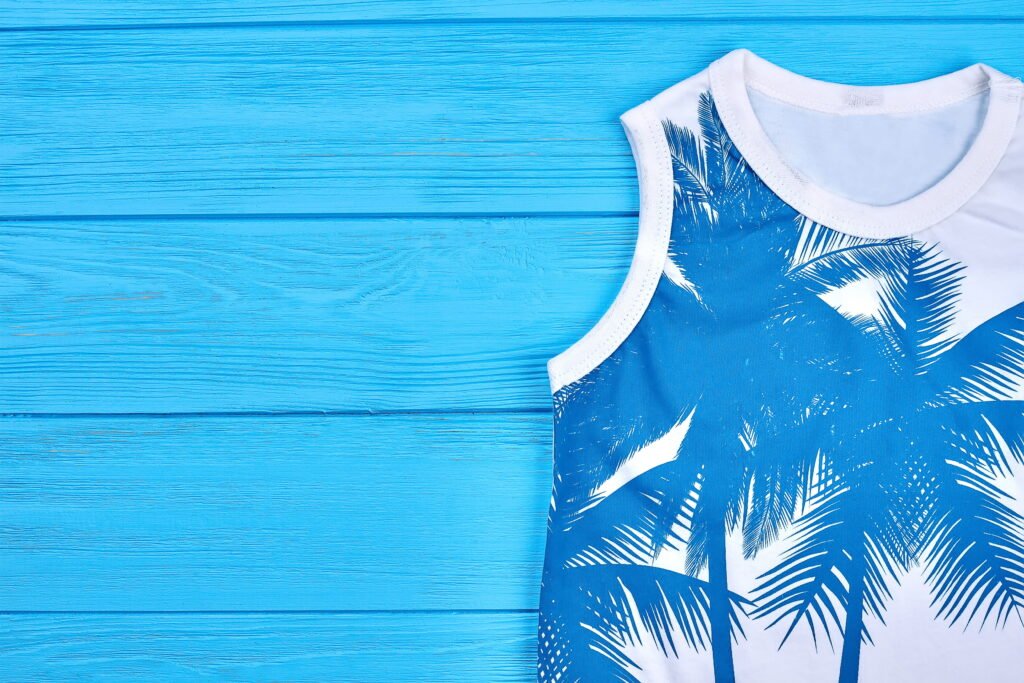
How Does Sublimation Printing Work?
Understanding the sublimation printing process helps merch partners choose the right printing method for specific apparel projects.
Step 1: Design Preparation
The process begins with creating a digital design using graphic software. The artwork is prepared in high resolution so that the final sublimation print appears sharp and vibrant.
Step 2: Printing with a Sublimation Printer
The design is printed onto special sublimation transfer paper using a sublimation printer and sublimation ink.
A sublimation printer is specifically designed to work with dye-sublimation inks that react to heat during the transfer process.
Step 3: Positioning the Transfer
The printed sublimation paper is placed onto the garment or product surface.
Step 4: Heat Press for Sublimation Printing
A heat press for sublimation printing applies high temperature and pressure to the transfer paper and garment.
Under temperatures around 180–200°C (356–392°F), the sublimation ink turns into gas and penetrates the fabric fibers.
Step 5: Cooling and Final Print
Once the material cools, the ink solidifies and becomes permanently embedded in the fabric, creating a durable and vibrant print.
The result is a sublimation print that feels smooth and breathable because the dye becomes part of the garment rather than forming a layer on top.
What Is a Sublimation Printer?
A sublimation printer is a specialized printer designed to print designs using sublimation inks onto transfer paper.
These printers differ from standard inkjet printers because they use dye-sublimation inks that react to heat during the transfer process. The printed transfer paper is then applied to fabric or products using a heat press.
Professional sublimation printers are commonly used by apparel decorators, merch companies, and promotional product manufacturers.
Sublimation Printing for Polyester Apparel
One of the most important things to understand about sublimation printing is that it works best on polyester fabrics.
Polyester reacts perfectly to the sublimation process because its synthetic fibers open under heat and allow gaseous dye to bond permanently with the material.
For this reason, sublimation printing is widely used in polyester apparel:
- Sports jerseys
- Performance shirts
- Team uniforms
- Athletic wear
- Corporate promotional apparel
Sublimation printing generally does not work well on cotton fabrics because the dye cannot bond properly with natural fibers.
Sublimation Shirt Printing
Sublimation shirt printing is one of the most common uses of sublimation technology.
In this process, the design is transferred onto polyester t-shirts using heat and pressure. Because the dye becomes embedded in the fibers, sublimation prints remain lightweight and breathable.
Unlike other printing methods, sublimation shirt printing does not produce thick ink layers. Instead, the print becomes part of the garment itself, resulting in long-lasting designs that do not crack or peel.
Advantages of Sublimation Printing
Sublimation printing offers several advantages for custom apparel production.
Vibrant Full-Color Designs
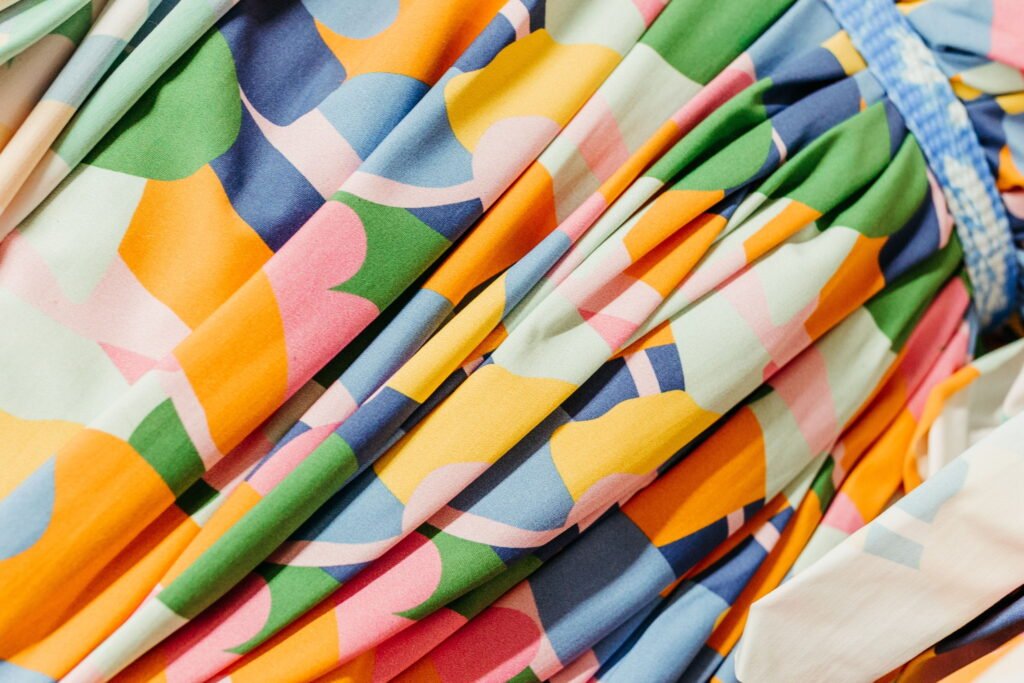
Sublimation printing allows unlimited colors and gradients, making it ideal for detailed artwork and photographic prints.
Long-Lasting Prints
Because the dye bonds with the fibers, sublimation prints are highly durable and resistant to fading or peeling.
Soft and Breathable Prints
The design becomes part of the fabric rather than sitting on top, resulting in comfortable and lightweight apparel.
Ideal for Performance Apparel
Sublimation printing works extremely well on polyester fabrics used in sportswear and athletic clothing.
All-Over Printing Capability
Unlike some printing methods, sublimation can cover the entire garment surface.
Limitations of Sublimation Printing
- Despite its benefits, sublimation printing also has some limitations.
- It works best on polyester fabrics and light-colored garments. Cotton fabrics do not absorb sublimation dye effectively, which limits its use for certain apparel types.
- Additionally, sublimation requires specialized printers, inks, and heat press equipment.
Sublimation Printing vs Other Printing Methods
Understanding how sublimation compares with other printing methods helps merch partners choose the right production technique.
Sublimation vs Screen Printing
Screen printing is better for cotton garments and large bulk orders. Sublimation printing is better for polyester apparel and full-color designs.
Sublimation vs DTG Printing
DTG printing works best on cotton garments, while sublimation printing is optimized for polyester fabrics.
Sublimation vs Heat Transfer Printing
Both methods use heat presses, but sublimation printing embeds dye into the fabric while standard heat transfer printing places a layer on top of the garment.
Sublimation vs DTG vs Screen Printing
| Factor | Sublimation Printing | DTG (Direct-to-Garment Printing) | Screen Printing |
| How It Works | Dye turns into gas under heat and bonds with fabric fibers | Inkjet printer sprays ink directly onto garment fibers | Ink pushed through mesh screens onto fabric |
| Best Fabrics | Polyester or polymer-coated materials | Cotton and cotton-blend fabrics | Cotton, polyester, and most fabrics |
| Print Feel | Completely smooth (ink becomes part of fabric) | Soft print embedded into fibers | Slightly thicker ink layer |
| Color Capability | Unlimited colors and gradients | Unlimited colors and photo-quality prints | Limited by number of screens |
| Durability | Very high (won’t crack or peel) | Good with proper care | Extremely durable |
| Best For | Sportswear, polyester apparel, all-over prints | Detailed artwork, small merch runs | Bulk orders, bold designs |
| Minimum Order Quantity | Low | Very low (good for print-on-demand) | Usually higher due to setup |
| Per-Unit Cost (Small Orders) | Moderate | Moderate–High | High |
| Per-Unit Cost (Bulk Orders) | Moderate | Higher than screen printing | Lowest at large quantities |
| Design Complexity | Excellent for complex designs | Excellent for photo-quality graphics | Best for simple designs |
| Setup Time | Fast | Fast | Longer due to screen preparation |
| Typical Uses | Jerseys, sports uniforms, polyester apparel | Artist merch, custom t-shirts, small brand runs | Corporate uniforms, events, retail merch |
| Printing Area | Can support all-over prints | Usually limited to specific print areas | Usually limited to specific print areas |
Equipment Needed for Sublimation Printing
Professional sublimation printing usually requires:
- Sublimation printer
- Sublimation ink
- Sublimation transfer paper
- Heat press for sublimation printing
- Polyester garments or polymer-coated products
These components work together to create high-quality sublimation prints.
Common Products Made with Sublimation Printing
Sublimation printing is used for a wide range of products including:
- Sublimation shirts and jerseys
- Sports uniforms
- Custom apparel
- Coffee mugs
- Phone cases
- Mouse pads
- Promotional merchandise
Because sublimation works on many coated materials, it is popular in both apparel and promotional product industries.
FAQs About Sublimation Printing
Q1. What is sublimation printing used for?
Sublimation printing is commonly used for custom apparel, sports uniforms, promotional merchandise, and branded products.
Q2. Can you print sublimation shirts on cotton?
No. Sublimation printing works best on polyester fabrics because the dye bonds with synthetic fibers.
Q3. What is a sublimation print?
A sublimation print is a design created using dye-sublimation technology where the ink becomes embedded in the material rather than sitting on top.
Q4. Do sublimation prints last long?
Yes. Sublimation prints are extremely durable and resistant to cracking or peeling because the dye becomes part of the fabric.
Q5. What equipment is needed for sublimation printing?
A sublimation printer, transfer paper, sublimation ink, and a heat press are required to produce sublimation prints.
Final Thoughts
Sublimation printing is one of the most effective methods for producing vibrant, long-lasting prints on polyester apparel. Its ability to create full-color designs with excellent durability makes it a preferred option for sportswear, uniforms, and promotional merchandise.
Understanding how sublimation printing works helps merch partners, brands, and apparel buyers choose the right printing method for their products.
Contact MLXLPro
If you’re planning custom apparel and need help deciding between sublimation printing, puff printing, screen printing, DTG, or heat transfer printing, the MLXL Pro team can review your artwork, recommend the right production method, and help you deliver high-quality printed apparel for your clients with confidence.