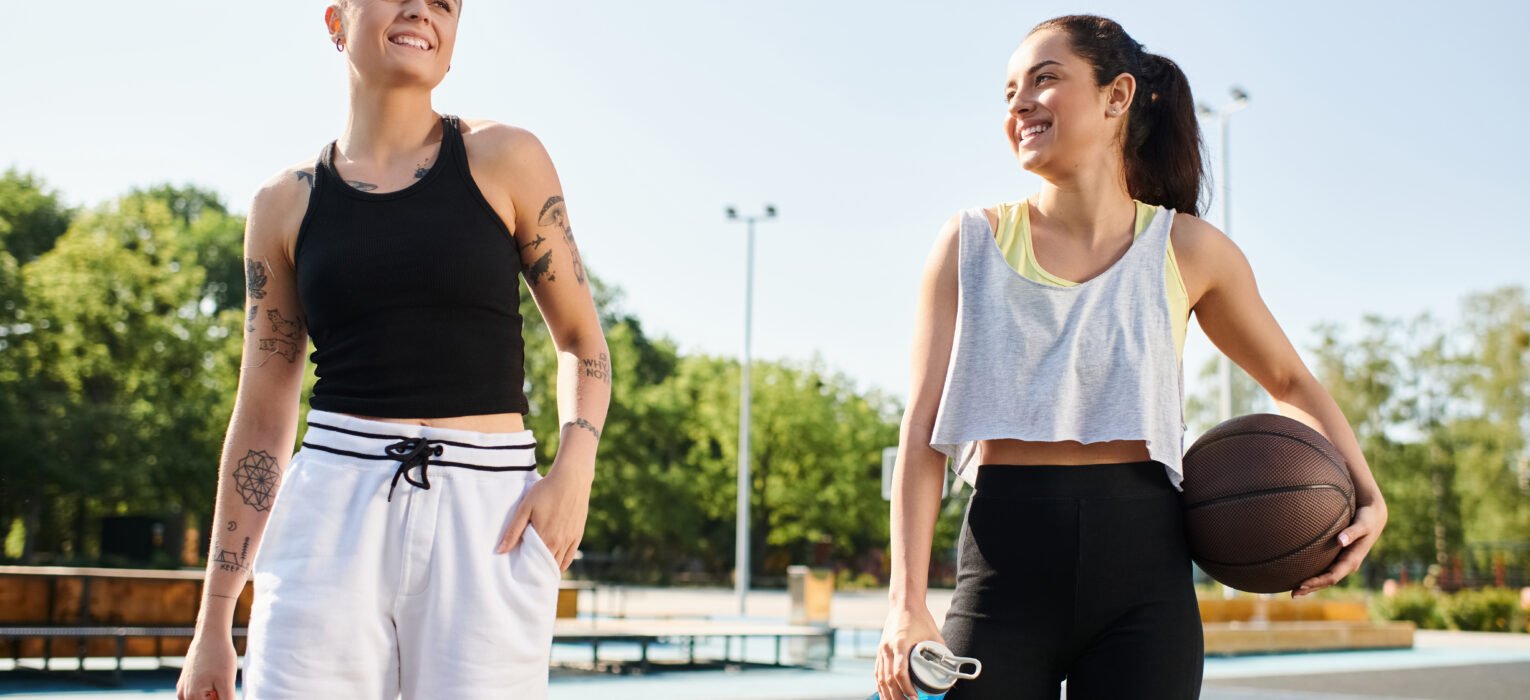
When it comes to sportswear, performance starts long before the workout begins. The fabric used in athletic apparel plays a major role in comfort, mobility, temperature regulation, and overall performance.
During summer, choosing the right sports apparel fabric becomes even more important. Higher temperatures, increased humidity, and intense physical activity can quickly make poorly designed apparel uncomfortable and ineffective.
Whether you’re designing gym apparel, sports team uniforms, fitness merchandise, or athletic clothing for your brand, understanding fabric selection can make a significant difference in how the final product performs.
In this guide, we’ll explore the best fabrics for summer sports apparel, what makes them effective, and how brands can choose materials that balance comfort, durability, and printability.
Why Fabric Choice Matters in Summer Sports Apparel
Athletic clothing is designed to help people perform at their best. Unlike everyday apparel, sportswear must manage sweat, regulate body temperature, and allow unrestricted movement during physical activity.
The wrong fabric can lead to:
- Excessive sweating
- Heat retention
- Skin irritation
- Reduced comfort
- Faster garment wear
The right fabric, however, helps athletes stay cooler, drier, and more comfortable throughout workouts, training sessions, and outdoor activities.
For brands producing gym apparel or sports merchandise, fabric quality directly impacts customer satisfaction and repeat purchases.
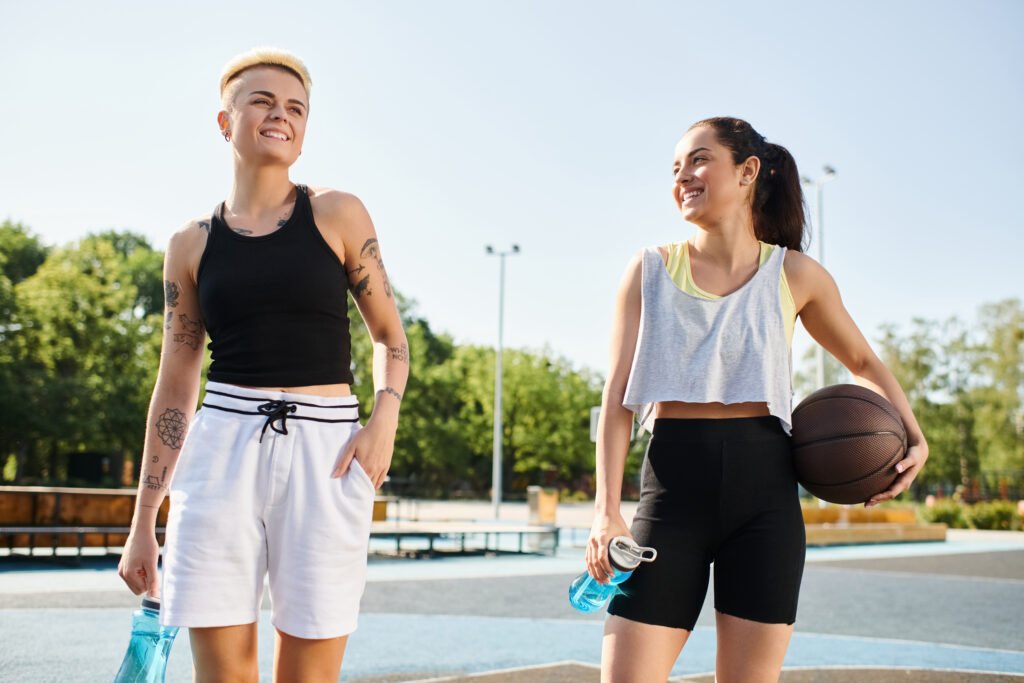
What Makes a Fabric Suitable for Summer Sportswear?
Not every fabric performs well in warm weather conditions.
The best breathable sportswear fabric typically offers several important characteristics:
- Moisture Management
The fabric should move sweat away from the skin instead of absorbing and holding it.
2. Breathability
Airflow helps regulate body temperature and prevents overheating during physical activity.
3. Lightweight Construction
Heavy fabrics can become uncomfortable in summer conditions, especially during extended workouts.
4. Durability
Athletic apparel experiences constant stretching, washing, and movement. Fabrics must maintain performance over time.
5. Print Compatibility
For custom sportswear, fabrics must also work well with athletic printing methods without compromising comfort.
Moisture-Wicking Fabrics: The Foundation of Modern Sportswear
One of the most important innovations in athletic apparel is moisture-wicking technology.
Moisture-wicking fabrics are designed to pull sweat away from the body and move it toward the outer surface of the garment where it can evaporate more quickly.
This process helps:
- Keep athletes dry
- Improve comfort
- Reduce overheating
- Prevent heavy sweat-soaked garments
Most modern gym apparel relies heavily on moisture-wicking materials because they perform significantly better than traditional cotton during intense physical activity.
For summer sportswear, moisture management is often the most important factor when selecting fabrics.
Why Polyester Remains the Popular Sports Apparel Fabric
Polyester has become the dominant material in athletic apparel for good reason.
Unlike cotton, polyester absorbs very little moisture. Instead, it allows sweat to evaporate quickly, helping athletes stay comfortable even during intense exercise.
Polyester offers several advantages for summer sportswear:
- Excellent moisture-wicking performance
- Lightweight construction
- Strong durability
- Resistance to shrinking
- Quick drying capabilities
- Consistent performance after repeated washing
These benefits make polyester one of the most reliable choices for:
- Gym apparel
- Team uniforms
- Running shirts
- Training apparel
- Performance merchandise
Many of today’s leading athletic brands rely heavily on polyester-based fabrics because of their proven performance characteristics.
Polyester Blends Offer the Best of Both Worlds
While polyester performs exceptionally well, many apparel brands prefer polyester blends because they combine performance with improved comfort.
A polyester blend typically combines synthetic fibers with materials such as cotton or rayon.
This approach helps create garments that feel softer while maintaining strong athletic performance.
Benefits of polyester blends include:
- Improved comfort
- Enhanced breathability
- Better moisture management
- Softer hand feel
- More premium appearance
Polyester blends are especially popular for modern gym apparel because consumers increasingly want performance clothing that feels comfortable enough for everyday wear.
This trend has contributed to the rise of athleisure and performance lifestyle apparel.
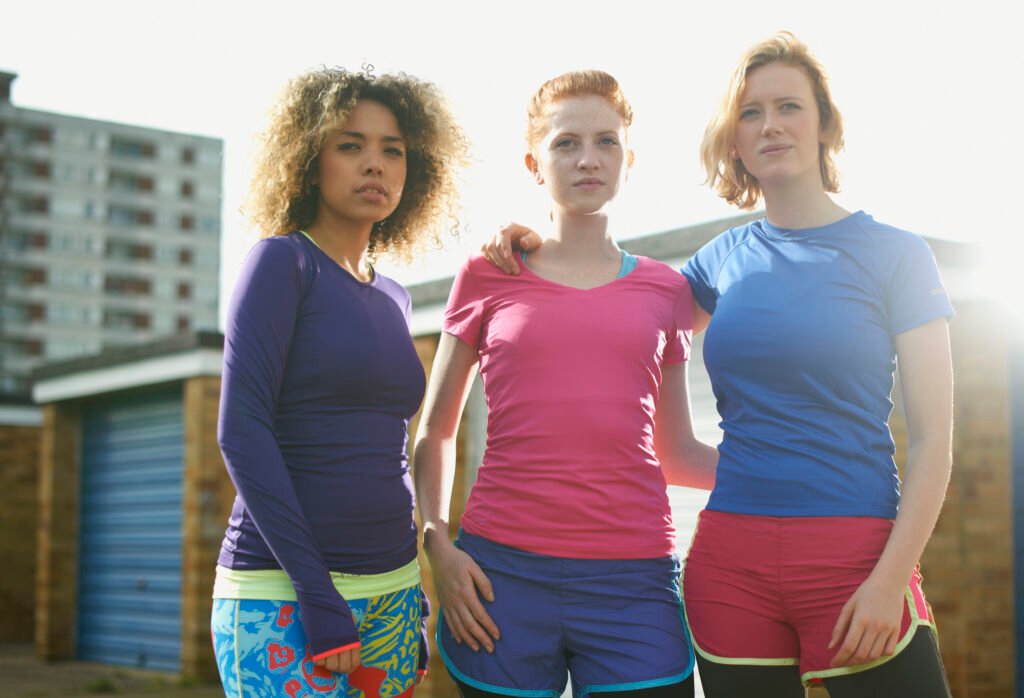
Mesh Fabrics Improve Airflow and Cooling
When maximum breathability is required, mesh fabrics become one of the best options available.
Mesh fabrics contain small openings that allow air to circulate more freely through the garment.
This increased airflow helps:
- Regulate body temperature
- Improve cooling
- Reduce heat buildup
- Increase comfort during exercise
Mesh panels are commonly found in:
- Running apparel
- Soccer jerseys
- Basketball uniforms
- Performance shirts
- Training gear
Many brands combine moisture-wicking polyester with strategically placed mesh sections to create garments that balance durability with superior ventilation.
For outdoor summer sports, mesh fabrics can significantly improve comfort.
Cotton: Comfortable but Not Always Ideal for Sportswear
Cotton remains one of the most comfortable fabrics available, but it has limitations when used for high-performance athletic apparel.
Unlike polyester, cotton absorbs and retains moisture. During intense workouts, this can lead to heavy, sweat-soaked garments that take longer to dry.
However, cotton still has value in certain situations.
Cotton works well for:
- Light workouts
- Casual gym apparel
- Lifestyle fitness brands
- Post-workout clothing
- Athletic-inspired streetwear
Many brands now use cotton-polyester blends to combine cotton’s comfort with polyester’s performance advantages.
Athletic Printing Considerations for Sports Apparel
For brands producing custom sportswear, choosing the right printing method is just as important as selecting the right fabric.
Different sports apparel fabrics interact differently with printing techniques.
Polyester garments often work well with:
Cotton garments typically perform better with:
When selecting fabrics for custom team uniforms, gym merchandise, or promotional athletic apparel, it’s important to ensure the chosen material supports both performance and print quality.
The best sportswear combines comfort, durability, and branding without sacrificing any of these elements.
Best Fabrics for Different Types of Gym Apparel
Different athletic activities often require different fabric solutions.
- Running Apparel
Lightweight polyester and mesh fabrics are typically preferred because they maximize breathability and moisture control.
2. Gym T-Shirts
Polyester blends offer a balance of performance and comfort, making them ideal for general fitness use.
3. Team Uniforms
Durable polyester fabrics provide excellent color retention, moisture management, and long-term durability.
4. Athleisure Apparel
Cotton-polyester blends remain popular because they combine athletic performance with everyday comfort.
5. Training Gear
Performance fabrics with moisture-wicking technology help athletes stay comfortable throughout intense sessions.
How Fabric Quality Impacts Brand Perception
Consumers are becoming more knowledgeable about athletic apparel. They can quickly recognize the difference between high-quality performance fabrics and lower-grade materials.
Choosing premium sportswear fabrics helps brands:
- Improve customer satisfaction
- Increase repeat purchases
- Strengthen brand reputation
- Reduce product complaints
- Create premium positioning
For sports apparel brands, fabric quality is often one of the biggest factors influencing long-term success.
A well-designed garment may attract attention, but quality materials keep customers coming back.
Choosing the Best Fabric for Summer Sports Apparel
There is no single perfect fabric for every type of athletic apparel. The best choice depends on how the garment will be used and who will be wearing it.
For most summer sportswear applications:
- Polyester remains the top performer for moisture management and durability.
- Polyester blends offer excellent comfort and versatility.
- Mesh fabrics provide superior ventilation in high-heat conditions.
- Cotton blends work well for lifestyle and athleisure products.
The ideal solution often combines multiple materials to achieve the right balance between comfort, performance, and durability.
Premium Sports Apparel Production with MLXL Pro
At MLXL Pro, we help brands, teams, gyms, and organizations create custom sportswear that performs as well as it looks.
From moisture-wicking performance apparel and team uniforms to custom gym merchandise and athletic event apparel, we focus on combining premium fabrics with professional printing and finishing techniques.
Whether you’re producing sports team apparel, fitness merchandise, or branded activewear, choosing the right fabric is the first step toward creating products athletes will actually want to wear.