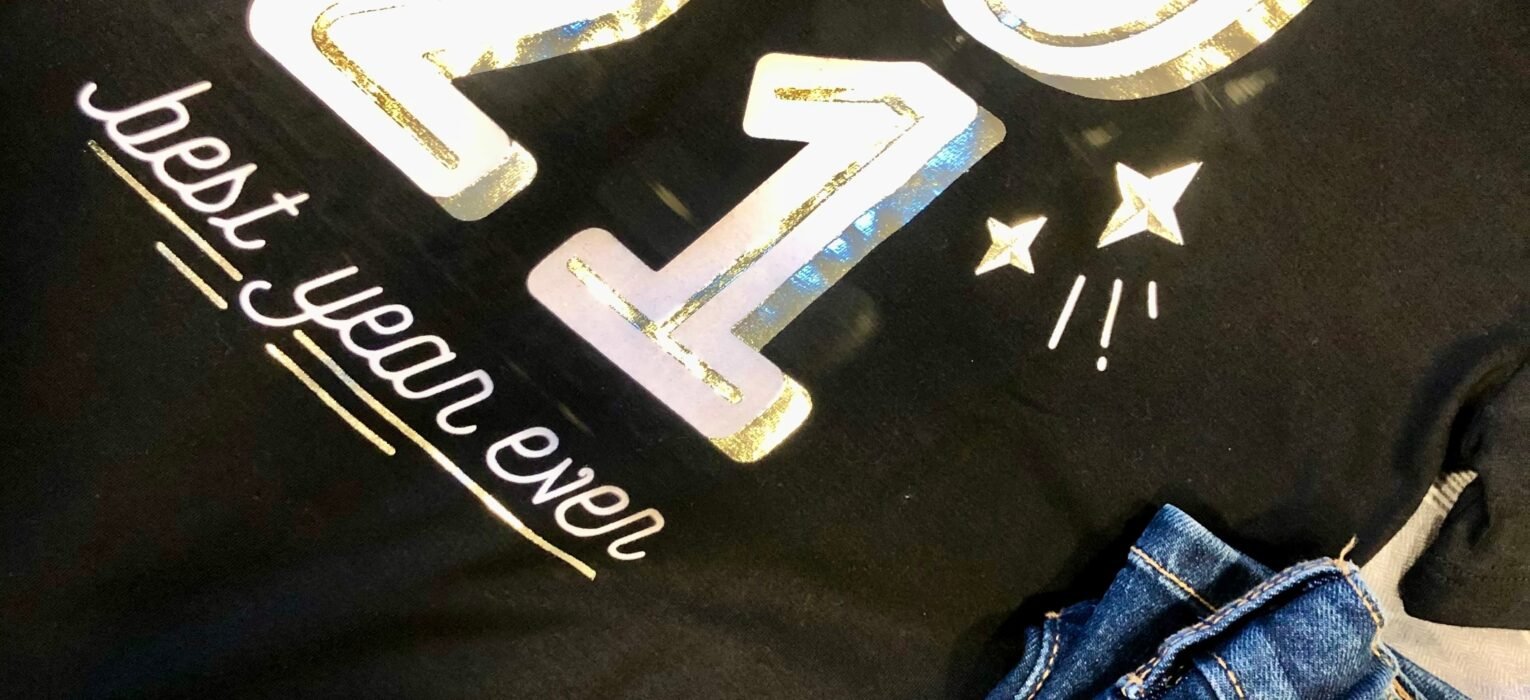
In today’s competitive apparel market, standard printing is often not enough to make a brand stand out. Brands, merch partners, and apparel businesses are increasingly turning to specialty finishes in apparel printing to create unique, high-impact designs that go beyond flat graphics.
Specialty finishes add texture, shine, dimension, and premium appeal to garments. Whether it’s a raised puff logo, a reflective foil design, or a soft vintage discharge print, these techniques help transform basic apparel into standout merchandise.
This guide explains what specialty finishes are, how they work, and when to use techniques like puff printing, foil printing, metallic ink, and discharge printing.
What Are Specialty Finishes in Apparel Printing?
Specialty finishes are advanced printing techniques that enhance the look and feel of apparel beyond traditional flat ink prints.
Instead of just adding color, these finishes introduce:
- Texture (raised or soft-touch prints)
- Shine (metallic or reflective effects)
- Depth (3D designs)
- Premium visual appeal
These finishes are widely used in fashion apparel, streetwear, branded merchandise, and premium collections to create a distinctive identity.
They are especially effective for brands that want their apparel to feel more exclusive and visually engaging.
Why Specialty Printing Matters for Brands
Specialty finishes are strategic branding tools.
They help brands:
- Stand out in crowded markets
- Create memorable customer experiences
- Increase perceived product value
- Charge premium pricing
- Enhance brand storytelling
Special effects printing also adds a tactile experience, making garments more interactive and appealing to customers.
For merch partners, this means better product differentiation and higher client satisfaction.
Types of Specialty Finishes in Apparel Printing
1. Puff Printing (3D Raised Effect)
Puff printing is one of the most popular specialty finishes used in modern apparel design.
It uses heat-activated ink additives that expand during curing, creating a raised, three-dimensional effect on the garment.
How It Works
Puff ink contains special agents that expand under heat, causing the printed design to rise above the fabric surface.
Key Features
- Soft, raised texture
- 3D visual effect
- Highly tactile and noticeable
Best For
- Bold logos
- Streetwear designs
- Minimalist graphics
- Hoodies and heavyweight garments
Limitations
Puff printing does not work well with very fine details or small text, as the expansion can distort intricate designs.
2. Foil Printing (Reflective Metallic Finish)
Foil printing creates one of the most eye-catching effects in apparel printing.
It involves applying an adhesive layer to the garment and then heat-pressing a thin metallic foil sheet onto the design area.
How It Works
The foil bonds only to the adhesive areas, leaving a shiny, reflective surface on the garment.
Key Features
- Mirror-like metallic finish
- Highly reflective surface
- Premium and luxury appearance
Best For
- Fashion apparel
- Event merchandise
- Logos that need high visibility
- Premium branding
Limitations
Foil prints can crack over time because the foil sits on top of the fabric rather than bonding into it.
3. Metallic Printing (Shimmer Effect)
Metallic printing uses special inks that contain reflective particles, creating a subtle shimmer rather than a mirror-like shine.
How It Works
Metallic pigments are mixed into ink and applied through screen printing, reflecting light when viewed at different angles.
Key Features
- Shiny, reflective finish
- More durable than foil
- Smooth texture
Best For
- Premium logos
- Corporate apparel
- Fashion collections
- Subtle luxury designs
Advantages Over Foil
Metallic prints are more durable because the reflective particles are embedded within the ink rather than sitting on the surface.
4. Discharge Printing (Soft, Vintage Finish)
Discharge printing is one of the most premium specialty finishes used in apparel.
Instead of adding ink on top, it removes the garment’s dye and replaces it with pigment, resulting in a soft, breathable print.
How It Works
A chemical agent removes the original dye from the fabric and replaces it with a new color.
Key Features
- Extremely soft feel (no heavy ink layer)
- Vintage or worn-in look
- High-end retail finish
Best For
- Premium fashion apparel
- Soft cotton t-shirts
- Vintage-style designs
- High-end branded merchandise
Limitations
Discharge printing works best on 100% cotton garments and may not perform well on synthetic fabrics.
Specialty Printing Finishes Comparison
| Factor | Puff Printing | Foil Printing | Metallic Printing | Discharge Printing |
| Effect Type | Raised, 3D texture | Mirror-like shine | Shimmer/metallic look | Soft, dyed-in finish |
| How It Works | Ink expands under heat to create raised surface | Adhesive + foil sheet pressed onto garment | Ink mixed with metallic pigments | Removes dye and replaces with new pigment |
| Visual Appeal | Bold and textured | High shine, reflective | Subtle shine | Matte, vintage look |
| Print Feel | Soft but raised | Smooth but sits on top | Smooth with slight texture | Extremely soft (no ink layer) |
| Durability | Good with proper care | Moderate (can crack over time) | High durability | Very high (embedded in fabric) |
| Best Fabrics | Cotton, heavier garments | Cotton and blends | Cotton and blends | 100% cotton (best results) |
| Best Use Cases | Streetwear, bold logos, hoodies | Premium branding, fashion apparel | Corporate logos, subtle luxury | Vintage tees, high-end apparel |
| Design Compatibility | Best for simple, bold designs | Works for logos and shapes | Works for logos and text | Works for detailed designs |
| Color Capability | Limited detail due to expansion | Limited to foil colors | Limited metallic tones | Good color flexibility |
| Comfort Level | Slightly raised feel | Can feel slightly stiff | Comfortable | Most comfortable |
| Cost Level | Medium | High | Medium–High | Medium–High |
| Production Complexity | Moderate | High | Moderate | High |
| Premium Perception | High (fashion/streetwear) | Very high (luxury feel) | High (clean & premium) | Very high (retail quality) |
Choosing the Right Specialty Finish
Selecting the right finish depends on your brand goals, garment type, and design style.
- Choose puff printing for bold, textured designs
- Choose foil printing for high-impact shine and luxury appeal
- Choose metallic printing for subtle shimmer and durability
- Choose discharge printing for soft, premium, vintage-style apparel
Each method serves a different purpose, and in many cases, brands combine multiple finishes for unique results.
Design Considerations for Specialty Printing
When working with specialty finishes, design plays a critical role.
Keep in mind:
- Bold designs work better than intricate details
- Fabric type affects print outcome
- Placement impacts comfort and wearability
- Specialty finishes increase production cost
- Testing samples is essential before bulk orders
Combining finishes like puff and metallic can create highly unique designs but requires careful planning.
Specialty Finishes vs Standard Printing
Standard printing focuses on color and clarity, while specialty finishes focus on experience and differentiation.
Standard prints are practical for bulk orders, while specialty finishes are ideal for:
- Premium collections
- Limited edition merch
- Fashion-forward brands
- High-value products
For merch partners, specialty printing is often used to create standout pieces that justify higher pricing.
Final Thoughts
Specialty finishes in apparel printing allow brands to move beyond basic designs and create apparel that feels premium, memorable, and unique. Techniques like puff, foil, metallic, and discharge printing help transform standard garments into high-value products that stand out in the market.
For brands and merch partners, understanding these finishes is key to choosing the right production method and delivering apparel that reflects quality and creativity.