

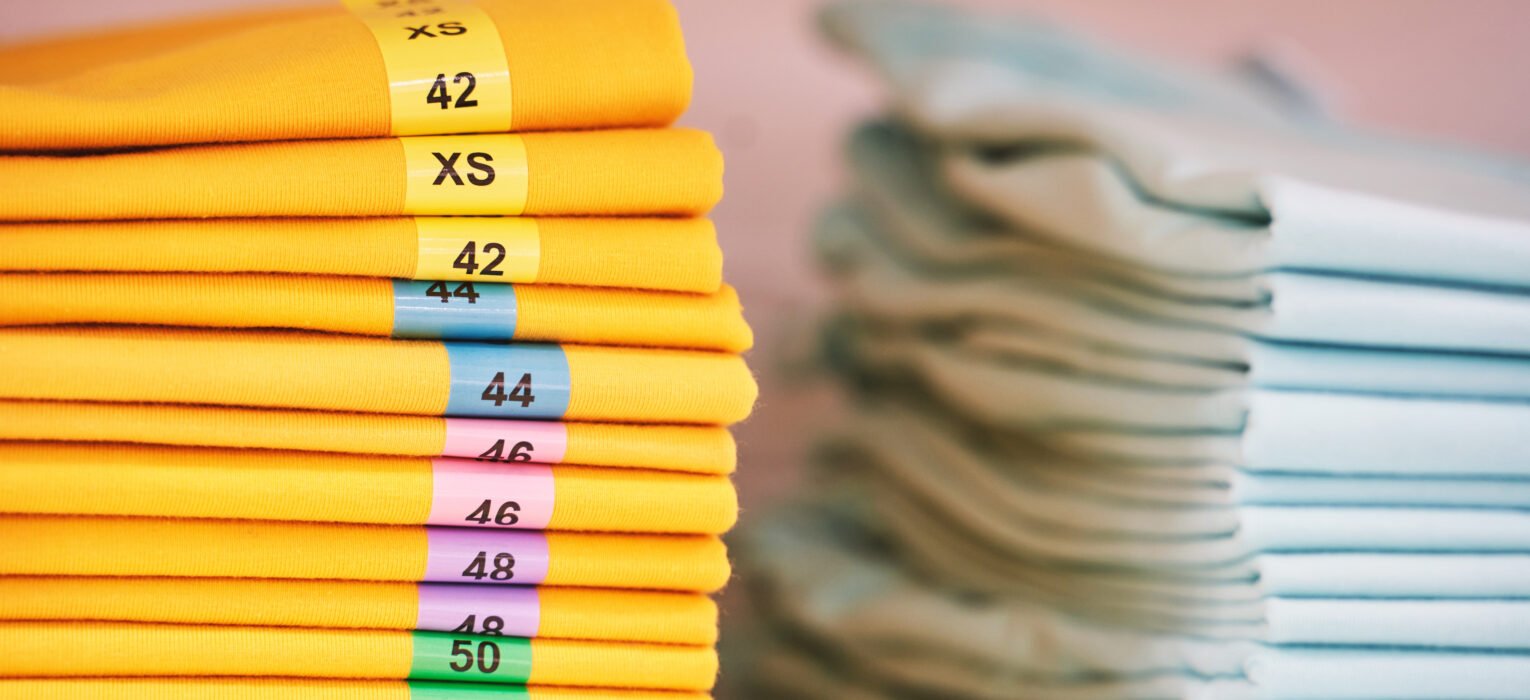
Launching or scaling an apparel brand requires more than a great design. The success of your clothing line often depends on choosing the right clothing manufacturers & suppliers who can produce consistent quality, meet deadlines, and support your brand’s growth.
Whether you’re starting a fashion label, managing merchandise for clients, or developing uniforms for organizations, selecting the right clothing manufacturers is one of the most important decisions you will make.
Why Choosing the Right Clothing Manufacturer Matters
Your clothing manufacturer becomes an extension of your brand. They control how your designs are produced, the materials used, and the quality of the final garment.
Working with reliable clothing manufacturers and suppliers helps ensure:
- Consistent garment quality
- Accurate sizing and fit
- Reliable production timelines
- Long-term scalability for your brand
- Fewer production errors and returns
For brands selling merchandise, uniforms, or retail apparel, manufacturing consistency directly affects customer satisfaction and brand reputation.
Types of Clothing Manufacturers & Suppliers
Understanding the main types helps brands choose the right partner for their apparel production needs.
Private Label Clothing Manufacturers
Private label clothing manufacturers produce ready-made garments that brands can customize with their own logos, labels, and branding. This option allows businesses to launch clothing products quickly without developing garments from scratch.
White Label Manufacturers
White label manufacturers produce standardized clothing that multiple brands can rebrand and sell under their own names. These suppliers are often used for basic apparel collections, promotional merchandise, or retail-ready products.
Custom Clothing Manufacturers
A custom clothing manufacturer creates garments entirely based on a brand’s design, materials, and specifications. This option offers full control over product development but usually requires longer production timelines and higher minimum orders.
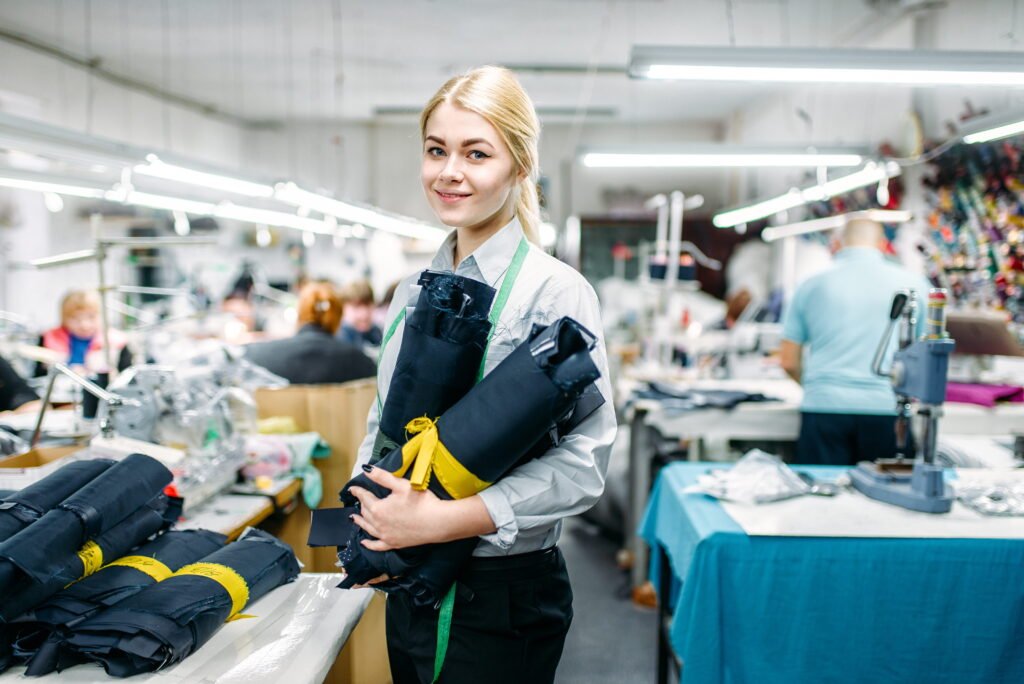
Understanding the Garment Manufacturing Process
Before choosing a manufacturer, brands should understand the basic garment manufacturing process.
Although the exact workflow varies by factory, the process typically includes several stages.
1. Design and Product Development
The process begins with concept development and technical design. Brands create sketches, tech packs, and fabric specifications that guide production.
A clear tech pack helps clothing manufacturers understand garment measurements, stitching details, trims, and branding elements.
2. Material Sourcing
Manufacturers source fabrics, threads, labels, and accessories required for the garment.
Fabric choice plays a major role in durability, comfort, and final product quality.
3. Pattern Making and Sampling
Patterns are created based on the garment design, and a sample garment is produced for approval.
Sampling allows brands to test fit, fabric quality, and construction before moving into full production.
4. Bulk Production
Once the sample is approved, the manufacturer begins full production.
During this stage, garments are cut, sewn, and assembled in large quantities.
5. Quality Control
Quality inspections are performed to ensure garments meet brand specifications.
Reliable clothing manufacturers suppliers implement strict quality checks to prevent defects.
6. Finishing and Packaging
The final stage includes labeling, pressing, packaging, and preparing garments for shipment.
At this point, branding elements such as tags, logos, and packaging materials are finalized.
Factors to Consider When Choosing Clothing Manufacturers
Selecting the right manufacturing partner requires evaluating several important factors.
Production Capability
Different clothing manufacturers specialize in different product types.
Some focus on sportswear, others on streetwear, uniforms, or fashion garments.
Make sure the manufacturer has experience producing garments similar to your product line.
Minimum Order Quantities (MOQ)
Many clothing manufacturers require minimum production quantities.
For startups or small brands, finding manufacturers with lower MOQs can reduce financial risk.
Private label clothing manufacturers often provide more flexible minimums compared with custom manufacturing.
Quality and Craftsmanship
Always request samples before committing to bulk production.
Evaluating samples allows you to examine fabric quality, stitching, durability, and finishing details.
High-quality manufacturing improves customer satisfaction and reduces returns.
Production Timeline
Manufacturing timelines can vary depending on order size and factory workload.
Understanding production timelines helps brands plan product launches and inventory restocking more effectively.
Communication and Transparency
Good communication is essential when working with clothing manufacturers suppliers.
Clear updates about production progress, timelines, and potential delays help prevent misunderstandings.
Reliable manufacturers are transparent about production schedules and capabilities.
Domestic vs Overseas Clothing Manufacturers
Many brands choose between domestic and international manufacturers.
Domestic Manufacturing
Working with apparel manufacturers in USA offers several benefits:
- Faster shipping times
- Easier communication
- Stronger quality oversight
- Lower minimum order quantities in some cases
Overseas Manufacturing
International clothing manufacturers may offer lower production costs and higher capacity.
However, brands must carefully evaluate quality standards, communication efficiency, and shipping timelines when working with overseas factories.
Things to Avoid When Choosing Clothing Manufacturers
Not all manufacturers meet professional standards. Brands should be cautious of suppliers who:
- Refuse to provide samples
- Offer extremely low pricing without quality assurance
- Have poor communication
- Provide unclear production timelines
- Lack references or previous production examples
Reliable clothing manufacturers suppliers should be transparent about their process and capabilities.
How Merch Partners Use Clothing Manufacturers
Merch companies and agencies often work with clothing manufacturers to produce apparel for clients such as:
- Corporate brands
- Schools and universities
- Hospitals and organizations
- Event merchandise
- Retail apparel brands
Choosing the right manufacturer allows merch partners to deliver consistent, high-quality garments across multiple client projects.
Frequently Asked Questions
What is the difference between private label clothing manufacturers and custom clothing manufacturers?
Private label clothing manufacturers provide pre-designed garments that brands can customize with logos or labels. Custom clothing manufacturers create garments entirely based on a brand’s original design and specifications.
How do I choose the best clothing manufacturer for my brand?
Brands should evaluate manufacturer experience, production capacity, minimum order quantities, sample quality, communication, and production timelines before selecting a supplier.
Are apparel manufacturers in the USA better than overseas manufacturers?
Domestic manufacturers often provide faster communication and quality oversight, while overseas manufacturers may offer lower production costs and higher capacity.
Why is the garment manufacturing process important for brands?
Understanding the garment manufacturing process helps brands plan production timelines, maintain quality standards, and avoid costly manufacturing errors.
Final Thoughts
Choosing the right clothing manufacturers suppliers is one of the most important steps in building a successful apparel brand. From selecting the right fabrics to managing the garment manufacturing process, a reliable production partner ensures your garments reflect the quality and professionalism of your brand.
By carefully evaluating potential clothing manufacturers, requesting samples, and understanding production workflows, brands can build long-term partnerships that support growth and consistent product quality.