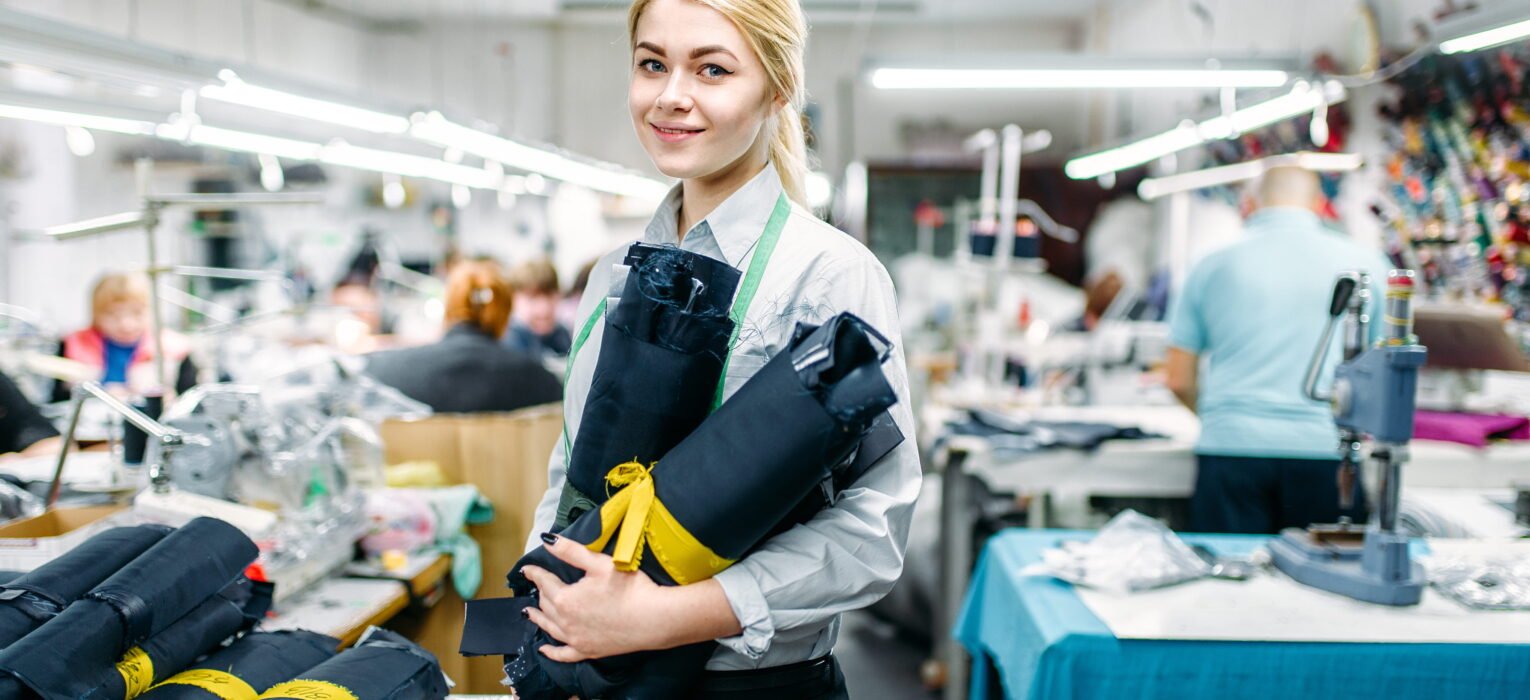
Estimating how much merchandise is one of the most critical decisions in custom apparel production. It directly impacts your profitability, inventory risk, and ability to meet demand. For brands, merch agencies, and apparel buyers, this is a balance between demand forecasting, production constraints, and cost efficiency.
Order too little, and you risk running out of stock during peak demand. Order too much, and you tie up capital in unsold inventory. The right quantity sits somewhere in between and finding that balance requires a structured approach.
This guide explains how to estimate merch quantities effectively, while factoring in minimum order quantities (MOQ), the clothing production process, and real-world apparel manufacturing constraints.
Start With Demand Forecasting Before MOQ and Production Planning
The most common mistake brands make is starting with what the factory requires instead of what the market needs.
Before thinking about MOQ or pricing, you need a clear estimate of demand. If you’ve sold merch before, historical data is your strongest asset. Look at past sales, best-selling sizes, and how quickly items sold out.
If you’re launching for the first time, demand has to be estimated using proxies your audience size, engagement levels, or expected event turnout. A brand with a loyal customer base can safely order more than a new brand testing its first drop.
Even rough demand forecasting is better than guessing without context.
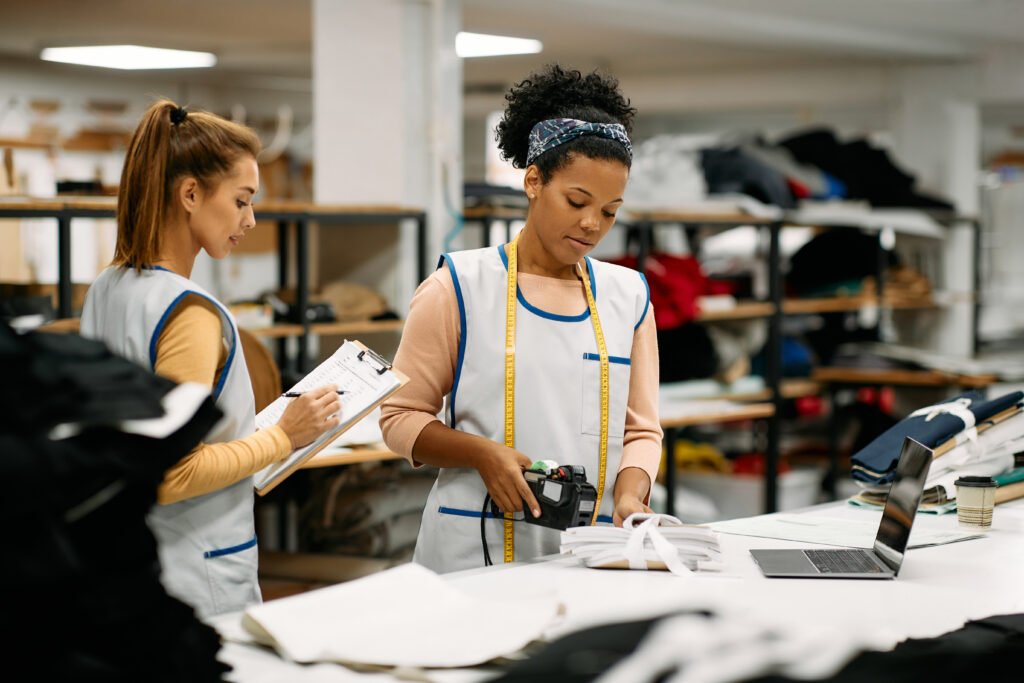
What Is MOQ (Minimum Order Quantity) ?
Once demand is estimated, the next constraint comes from production, specifically minimum order quantities (MOQ).
Every manufacturer sets a MOQ because producing small quantities is inefficient. Setup time, labor, and material handling costs remain nearly the same whether you produce 10 units or 100. That’s why clothing manufacturers require a minimum threshold.
What many buyers don’t realize is that MOQ can vary depending on production structure. It may apply:
- Per design
- Per color
- Per size range
- Or across the total order
Understanding MOQ is essential because it directly affects how you plan your order within the apparel manufacturing process.
Balancing MOQ, Cost Efficiency, and Inventory Risk
At the core of every merch order is a trade-off between cost and risk.
Higher quantities reduce cost per unit because production becomes more efficient. However, they also increase upfront investment and the risk of unsold inventory.
Lower quantities reduce risk but often increase production costs due to MOQ limitations.
The goal is to find the optimal balance where your expected demand aligns with production efficiency. This is where experienced merch partners make smarter, data-driven decisions.
How Custom Apparel Production Complexity Affects Order Quantity
Not all merch orders behave the same way. The complexity of your order plays a major role in how quantities should be estimated.
A single t-shirt design in one color is easy to scale. But once you introduce multiple designs, colorways, or garment types, the situation becomes more complex. Each variation may need to meet its own MOQ.
This is why custom apparel production requires more strategic planning than standard merch runs. More variations increase cost, complexity, and production requirements.
For most brands, especially early-stage ones, keeping initial orders simple is the smartest approach.
Size Distribution Strategy in the Clothing Production Process
Even when total quantity is correct, poor size distribution can lead to unsellable inventory.
Apparel demand is never evenly distributed across sizes. Medium and large sizes typically dominate, while smaller and larger extremes represent a smaller percentage.
If you overproduce less common sizes or underestimate popular ones, you create imbalance, leading to leftover stock even if your total quantity was accurate.
This is one of the most overlooked aspects of the clothing production process, yet one of the most impactful.
Lead Time, Apparel Manufacturing Timelines, and Reordering Strategy
Another critical factor is how quickly you can reorder.
If your supplier has long lead times, you may need to order more upfront to avoid stockouts. If reorders are fast, you can reduce risk by ordering smaller quantities initially.
Understanding the timing side of apparel manufacturing is essential. Production is not just about making garments, it’s about logistics, scheduling, and supply chain coordination.
Fast re-ordering allows flexibility. Slow production cycles require more upfront planning.

Safety Stock in Merch Planning (Avoiding Stockouts)
Even accurate forecasts can fail due to unexpected demand or production delays.
This is why experienced merch planners include a safety buffer, often referred to as safety stock. This extra quantity protects against uncertainty.
A typical buffer ranges between 10–20%, depending on how predictable your demand is. For new brands or first-time launches, a slightly higher buffer can help avoid missed sales opportunities.
How Pricing and Apparel Manufacturing Costs Affect Order Quantity
Order quantity is directly linked to pricing strategy.
Higher quantities reduce production cost per unit, improving margins. However, this only works if you can sell those units.
This is where pricing and quantity planning must align. A premium-priced product may require lower volume, while a volume-based strategy requires larger production runs.
Understanding this relationship helps brands avoid overproduction while maintaining profitability.
A Practical Framework to Estimate Merch Order Quantity
In practical terms, estimating order quantity involves combining multiple factors.
Start with expected demand. Add a safety buffer. Then adjust based on MOQ requirements and production constraints.
From there, refine your order based on size distribution, budget, and how quickly you can reorder if needed.
There is no single formula but there is a clear process. The more structured your approach, the more accurate your decisions will be.
Common Mistakes in MOQ and Merch Quantity Planning
Most merch planning issues come from predictable mistakes.
Overordering often happens when brands chase lower unit costs without validating demand. Underordering happens when risk avoidance is prioritized too aggressively.
Another common issue is misunderstanding MOQ structure. Not knowing whether MOQ applies per design, color, or size can lead to production issues.
Finally, skipping demand validation entirely is one of the biggest risks in merch production.
Smart Merch Planning Starts With MOQ and Demand Alignment
Estimating order quantities for merch is all about aligning demand with production realities.
The best decisions come from understanding minimum order quantities (MOQ), the apparel manufacturing process, and how your product will actually sell.
For brands and merch partners, success comes from planning smarter not just ordering more.
Plan Smarter Merch Orders with MLXL Pro
If you’re unsure how much merch to order or want to optimize your production strategy, MLXL Pro helps you make informed decisions at every stage. From understanding MOQ to managing custom apparel production and coordinating with clothing manufacturers suppliers, we ensure your orders are efficient, cost-effective, and aligned with demand.
Work with MLXL Pro to plan smarter, reduce risk, and deliver apparel projects with confidence, without overstock, delays, or missed opportunities.