White-label fulfillment means an order ships under your brand only, no decorator name, no decorator logo, no decorator paperwork anywhere in the box. For a distributor or broker, that’s the difference between owning a client relationship and quietly losing it. This post breaks down the terminology, what should and shouldn’t appear in the package, the real tradeoffs, and what to ask before you trust a decorator with it.
White Label vs. Blind Shipping vs. Drop Shipping
These three terms get used interchangeably across the industry, but they each answer a different question about the same order:
| Term | The question it answers | What it means |
| White label | Whose name is on it? | The finished product and branding appear as yours, not the producer’s |
| Blind shipping / blind ship | What’s in the box? | The package hides the producer’s identity, label, slip, and branding |
| Drop shipping | Who holds the stock? | The producer ships directly to the end customer; you never hold inventory |
A distributor can combine these in different ways. An order can be white-labeled and ship back to your own warehouse first (no drop ship), or it can be blind-shipped and drop-shipped straight to your client’s end customer. They’re independent choices, not one package deal, and worth confirming separately with any decorator you’re evaluating. (A deeper breakdown of how these three combine in practice, with worked examples, is covered in this blog post:
Blind Ship vs. Blind Drop Ship: What’s the Difference
Within that framework, two terms specific to this industry are worth separating further:
| Term | What it means |
| Blind ship | The order ships with no trace of the decorator anywhere in the package, label, slip, or branding |
| Blind drop ship | The order ships directly to the end customer (not back to the distributor first), with no trace of the decorator in that shipment |
Blind ship is about what’s in the box. Blind drop ship adds where the box goes.
What Shows Up on the Box (and What Doesn’t)
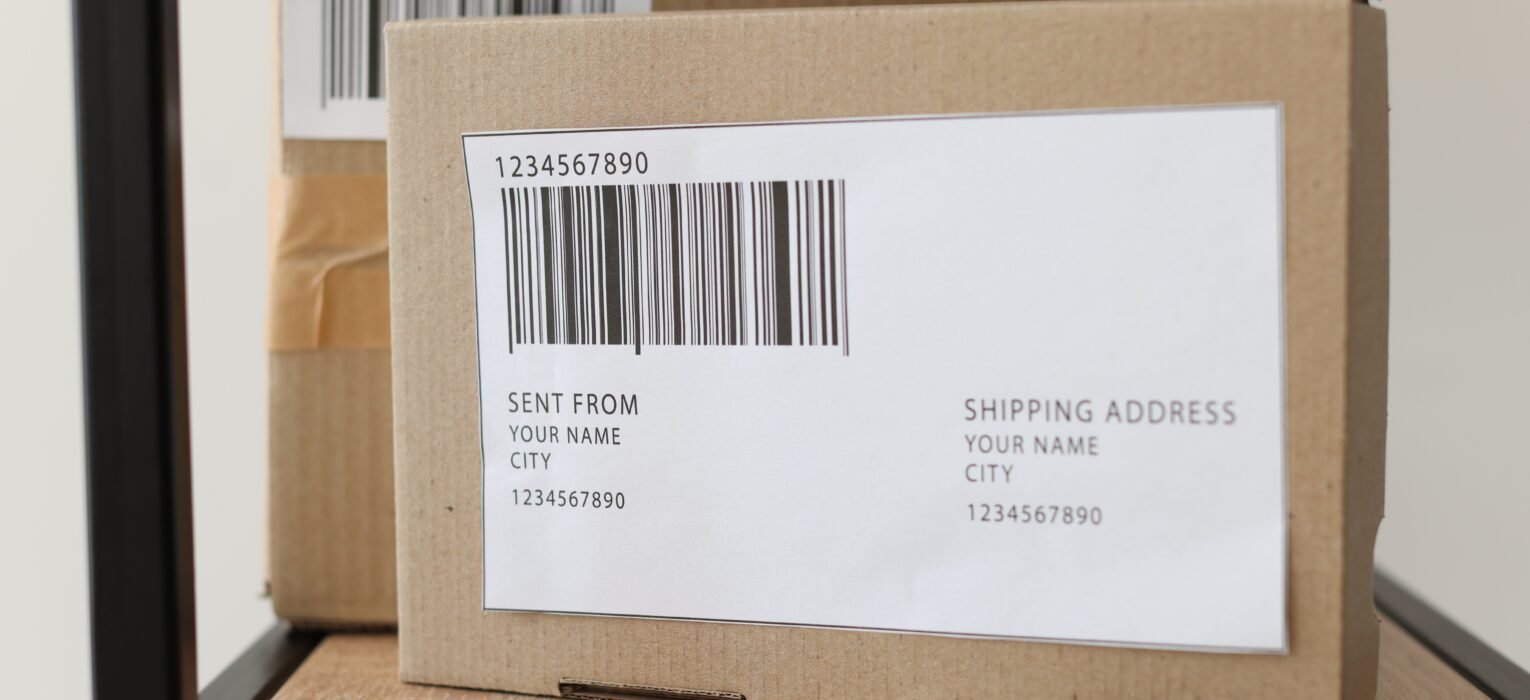
This is the part that matters most and gets explained least clearly. A properly white-labeled order should look like this:
| Item | What should appear | What should NOT appear |
| Shipping label | Your business name and return address | Decorator name, decorator logo, decorator address |
| Packing slip | Your branding, your order details | Decorator branding, decorator contact info |
| Invoice (if included) | Your business information | Decorator pricing, decorator terms |
| Product tags/labels | Your brand or your client’s brand | Decorator tags or hang tags |
| Box/polybag | Plain, or branded to you | Decorator branding or decorator tape |
I want to flag something important here: this table reflects how white-label fulfillment generally works across the fulfillment industry, not a confirmed MLXL-specific specification. MLXL’s own published materials confirm the service includes white-label and custom fulfillment, customer labels, kitting, drop shipping, third-party shipping, folding, polybagging, and fulfillment handling, but the exact specifics of what appears on an MLXL packing slip or label should be confirmed directly with the MLXL team before this post goes live.
Why Distributors and Resellers Use White-Label Fulfillment
A few consistent reasons apply to apparel and promotional products distributors specifically:
- Protects the client relationship. When the production process stays invisible, the client’s attention stays on your brand, not your production partner’s.
- Consolidates vendors. One white-label partner handling production and fulfillment replaces juggling several vendors for the same program.
- Keeps pricing comparisons harder for the end client. If a client never learns who actually produced an order, there’s no path for them to shop that producer directly.
- Supports consistent, professional packaging across every order, which shapes how the client experiences your business, not your decorator’s.
- Reduces overhead. No added warehouse space, staff, or fulfillment infrastructure needed on the distributor’s side.
The Honest Tradeoffs: What White-Label Fulfillment Doesn’t Solve
A fair post should cover the downsides too:
- Possible added fees. Some fulfillment providers charge extra for blind labeling or custom packaging, particularly on small orders.
- Less direct control. You’re trusting another business’s quality control and timelines rather than managing production yourself.
- Communication gaps are possible. If a decorator’s process isn’t airtight, information can lag between production and your client-facing updates.
- Not a replacement for choosing the right partner. White-label fulfillment only protects your relationship if the decorator behind it is reliable. It doesn’t fix a decorator that misses deadlines or produces inconsistent work, it just hides the name on a bad outcome as easily as a good one.
None of these are reasons to avoid white-label fulfillment. They’re reasons to be specific about who you trust with it, covered in the checklist below.
White-Label Packing Slips Explained
The packing slip is one of the easiest things for a distributor to overlook, and one of the fastest ways a client finds out who really produced their order. A true white-label packing slip carries your business name, your order reference, and your branding only. No decorator logo, no decorator return address, no decorator contact information anywhere on the page.
If you’re evaluating a contract decorator for distributors, asking to see a sample packing slip before you commit is a specific, verifiable way to check this, rather than taking “we do white label” at face value.
Private Label Shipping for Apparel Distributors: Why It Matters
Private label shipping extends the same principle past the packing slip to the entire shipping experience, tracking information, carrier notifications, and return instructions all need to reflect your business, not the decorator’s.
This matters most for apparel distributors and wholesalers running recurring programs: onboarding kits, seasonal team gear, reorder programs. A client who receives a dozen shipments a year and sees a decorator’s name on even one of them has a dozen reasons to start wondering who else could make this happen directly.
Choosing a Contract Decorator for Distributors: What to Look For Beyond “We Do White Label”
Not every decorator that claims white-label fulfillment means the same thing by it. Some keep their name off the box but still make direct contact with your client for approvals, reorders, or support questions. That’s not full white-label fulfillment, that’s partial.
A few operational signs of a decorator worth trusting with a client program, beyond the branding question itself:
- A real proofing process. Written proof approval before production starts, not a verbal go-ahead, with the version and date on record.
- Clear specs locked before production. Imprint size, placement, and color confirmed in writing, not assumed.
- No surprise charges. Setup fees, rush charges, and reorder pricing should be clear upfront, not discovered on the invoice.
- Consistency on repeat orders. The same spec, the same quality, on order fifty as on order one.
A decorator built for distributors and brokers should operate as a production partner behind your relationship entirely, no decorator branding on the box, no direct contact with your client, and fulfillment that holds up the same way every time.
What to Ask Before You Trust a Decorator With White-Label Fulfillment
A checklist worth running through before committing:
- Can I see a sample packing slip and shipping label before placing an order?
- Does your team contact my client directly at any point, approvals, questions, or support?
- Is blind drop ship available, or does everything route back through me first?
- What shows up on the box itself, tags, polybags, tape?
- Are there extra fees for blind labeling or custom packaging on smaller orders?
- How is this handled differently for a one-off order versus a recurring program?
- What does your proofing process look like, and is approval documented?
Frequently Asked Questions
What does white-label fulfillment mean?
It means an order ships with no trace of the producer, no logo, no branding, no contact information, anywhere in the package. The finished product and everything around it reflects the distributor’s or client’s own brand instead.
What’s the difference between white label, blind shipping, and drop shipping?
They answer three different questions. White label asks whose name is on the product. Blind shipping asks what’s visible in the package. Drop shipping asks who holds the inventory and ships the order. A distributor can use any combination of the three.
What’s the difference between blind ship and blind drop ship?
Blind ship refers to what’s inside the package, no decorator branding. Blind drop ship adds where it goes, shipped directly to the end customer rather than back to the distributor first.
Does white-label fulfillment cost more than standard fulfillment?
This varies by decorator and program, and no verified industry-wide figure exists for a typical price difference. Some providers charge extra specifically for blind labeling on small orders. Ask any decorator you’re evaluating for their specific white-label pricing rather than assuming a standard markup.
Will a white-label decorator ever contact my client directly?
A true white-label fulfillment partner should not. If a decorator claims white-label service but still handles client communication directly, that’s worth clarifying before you commit, since it undermines the purpose of white-labeling in the first place.
What should I check before trusting a new decorator with white-label fulfillment?
Ask to see a sample packing slip and shipping label, confirm whether blind drop ship is available, ask about fees on smaller orders, and clarify exactly who your client will interact with at every stage.
Talk to MLXL About White-Label Fulfillment
If a decorator’s name has ever shown up somewhere it shouldn’t have, on a box, a packing slip, a label, that’s exactly the risk white-label fulfillment is built to remove. MLXL operates as a production partner behind your relationship, not a vendor your client ever sees.
[Ask MLXL About White-Label Fulfillment →]