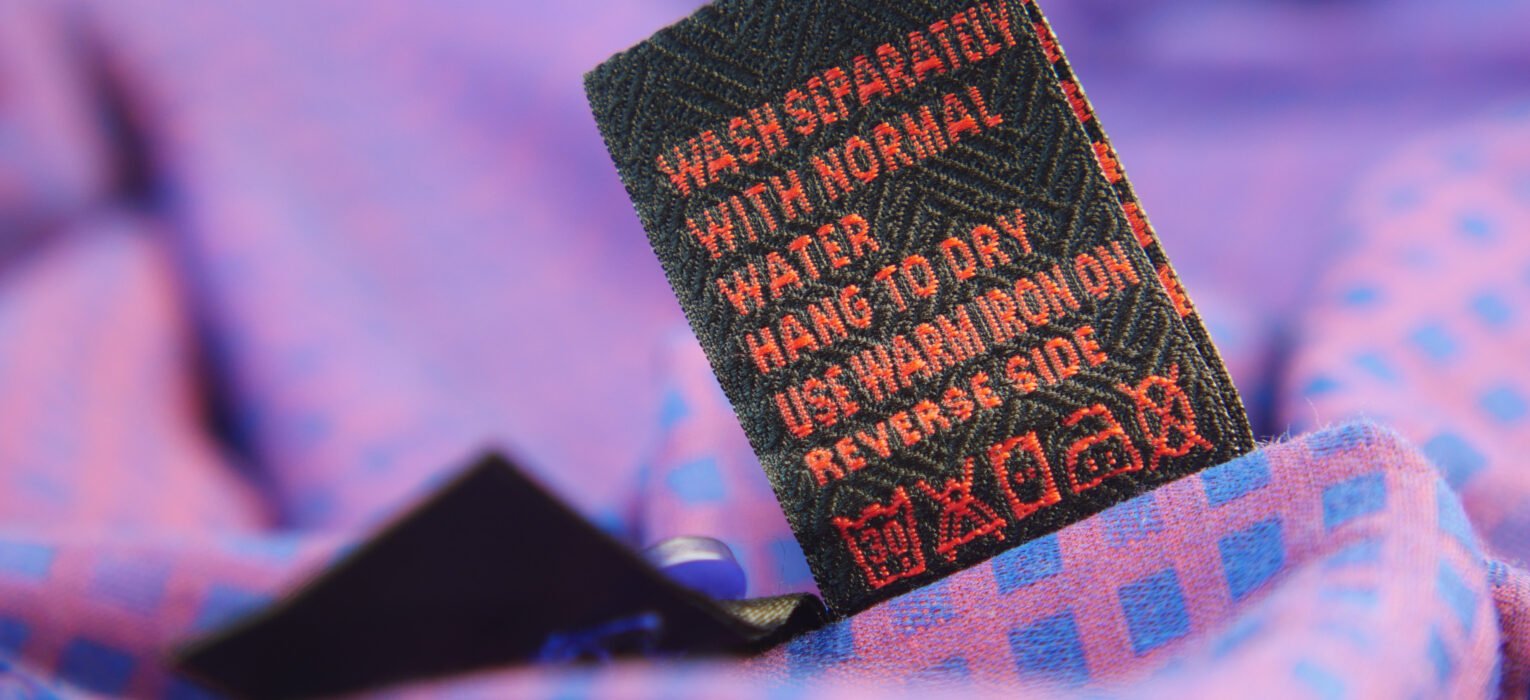
There’s nothing more frustrating than buying or printing a custom T-shirt you love, only to see the design start cracking or peeling after a few washes. Whether it’s a logo, graphic, or statement print, the lifespan of a printed shirt depends on two things: how it was printed and how it’s cared for.
In this guide, MLXL breaks down how to keep print on shirts from cracking, how to preserve prints long-term, what causes peeling, and what you can realistically do to fix or prevent damage. These are the same best practices professional print shops recommend keeping custom apparel looking fresh.
Why Do Prints on Shirts Crack or Peel?
Before learning how to prevent damage, it helps to understand why prints fail in the first place.
Most cracking or peeling happens because of:
- Excessive heat during washing or drying
- Poor-quality printing or improper curing
- Aggressive wash cycles
- Harsh detergents
- Stretching the fabric beyond its tolerance
Different decoration methods behave differently on fabric. Ink-based prints, specialty finishes, and stitched designs all react uniquely to wear and washing. So it is best to get to know how to take care of each and every piece you own so it lasts longer.
How to Keep Print on Shirts From Cracking After Washing
Washing is where most damage happens, but it’s also where you have the most control.
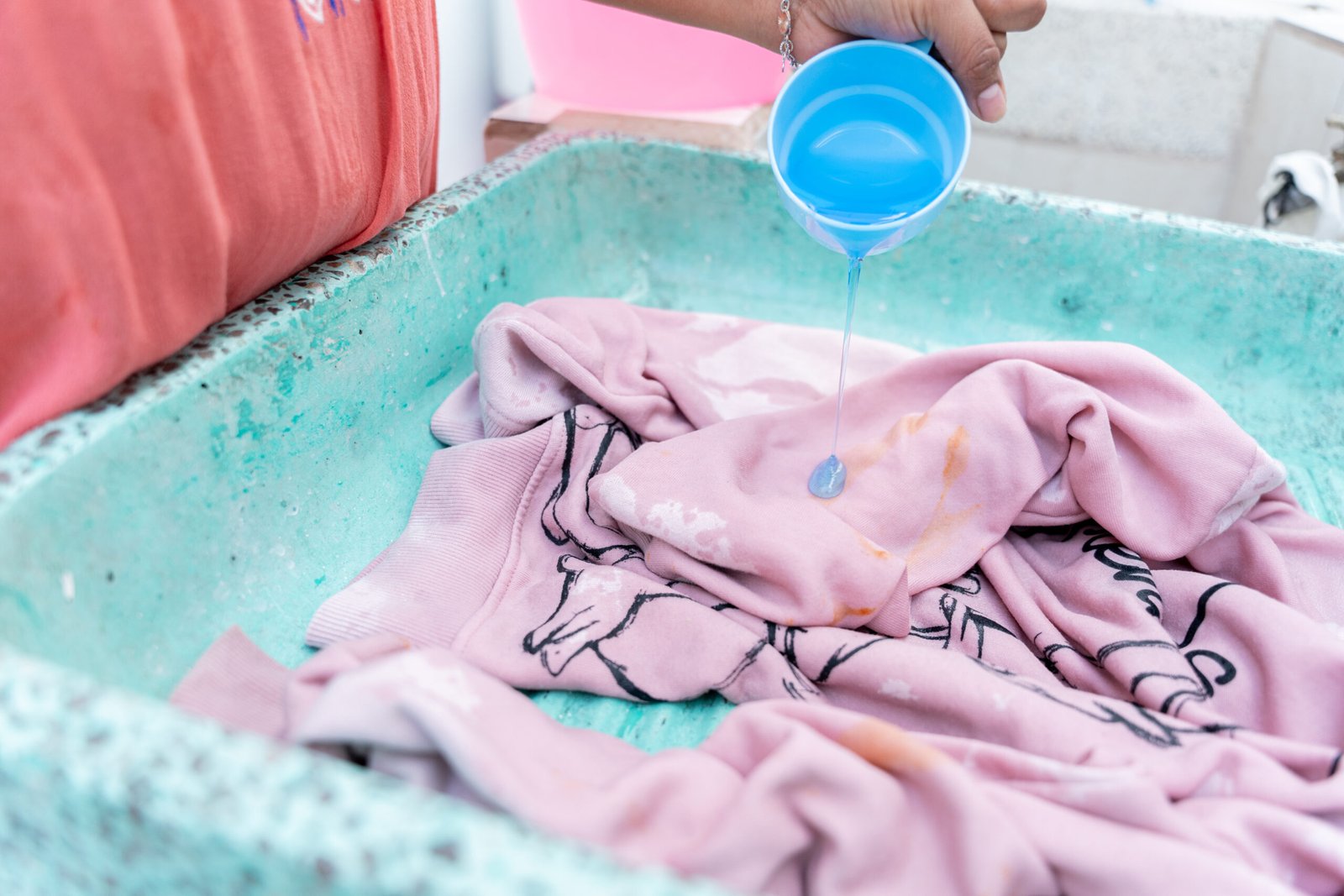
- Wash Shirts Inside Out: Turning shirts inside out reduces friction between the print and other garments. This single step dramatically lowers the risk of cracking and peeling.
- Use Cold Water Only: Hot water weakens ink adhesion over time. Cold water preserves both the fabric and the print, especially for custom t-shirts.
- Choose a Gentle Cycle: Aggressive spin cycles stretch fabric and stress the printed area. A gentle or delicate cycle is always safer.
- Avoid Harsh Detergents: Bleach, fabric softeners, and strong detergents break down ink and adhesives. Stick to mild detergents for printed apparel.
How to Preserve the Print on a Shirt Long-Term
If you want your shirts to look good months or years down the line, consistency matters.
To preserve the print on a shirt:
- Wash only when needed
- Avoid overloading the washing machine
- Keep printed garments separate from heavy items like towels
- Store folded rather than stretched on hangers
Long-term preservation is about reducing stress on the print, not just avoiding damage in one wash.
Can the Dryer Ruin Printed Shirts?
Yes. Heat is the biggest enemy of printed apparel.
High dryer temperatures can:
- Cause cracking in ink-based prints
- Flatten specialty finishes
- Weaken adhesive layers
- Accelerate peeling
Best Practice
Air dry whenever possible. If you must use a dryer, choose the lowest heat setting and remove the shirt while it’s still slightly damp.
This is especially important for raised or textured finishes. If your shirt uses specialty printing, knowing how to wash and care for puff prints is essential to maintaining texture and shape.
Prevent Cracking in Your Custom T-Shirts From the Start
Prevention starts before the shirt is ever worn.
Choose the Right Fabric
- Midweight cotton or cotton blends hold prints better
- Extremely thin fabrics stretch more and crack faster
Avoid Overly Large Solid Prints
Large blocks of ink are more prone to cracking over time. Strategic design choices improve durability.
Work With Experienced Printers
Proper curing, ink choice, and technique matter. Prints that crack early often weren’t cured correctly during production.
Different printing technologies also impact longevity. Some digital methods bond ink differently to fabric, which affects how prints age over time.
Explore a range of apparel design and decoration offered at MLXL.
How to Keep Print on Shirts From Peeling
Peeling usually happens when the print separates from the fabric rather than cracking within itself.
To prevent peeling:
- Never iron directly over the printed area
- Avoid dry cleaning unless approved
- Don’t scrub the print during spot cleaning
- Avoid excessive heat exposure
Peeling is harder to fix than cracking, which is why prevention is key.
How to Fix Cracks and Peels on Printed T-Shirts (What Actually Works)
Let’s be realistic. Once a print is cracked or peeling, it can’t be fully restored. However, you can sometimes stop further damage.
For Minor Cracking
- Wash inside out and air dry going forward]
- Avoid stretching the printed area
- Press lightly with low heat using a cloth barrier (no direct heat)
For Peeling Prints
- Trim loose edges carefully if needed
- Avoid further washing until stabilized
- Do not reapply heat aggressively
If a print is severely peeling, replacement is usually the only true solution.
Many print issues begin long before a shirt ever reaches the washing machine. If you are a seller, you should have knowledge of fabric selection, ink quality, and curing method as these factors directly affect whether a print cracks or peels later. Learning how custom apparel printing works helps set realistic expectations and leads to better, longer-lasting results.
Does Print Type Affect Cracking and Peeling?
Absolutely. Different decoration methods age differently.
Ink-based prints, textured finishes, and stitched designs all interact with fabric in unique ways. Understanding how each type differ in durability and wear helps explain why some shirts last longer than others under the same care routine.
The right method, combined with proper washing habits, makes a significant difference in print longevity.
Best Care Checklist for Printed Shirts
Do this
- Wash inside out
- Use cold water
- Air dry or low heat
- Fold instead of stretching
Avoid this
- Hot water
- High dryer heat
- Direct ironing on prints
- Harsh detergents
Following these habits consistently will keep prints looking sharp far longer than average.
Frequently Asked Questions
Can cracked or peeling prints on t-shirts be fixed?
Cracked or peeling prints can’t be fully restored once the damage has started. However, you can sometimes slow further deterioration by changing how the shirt is washed and dried. Washing inside out, using cold water, air drying, and avoiding stretching the printed area can help prevent the damage from getting worse.
What should I do if my printed t-shirt has minor cracks?
If the print has small cracks but is still intact, gentle care can help. Wash the shirt inside out, air dry it, and avoid high heat. Light pressing with very low heat using a cloth barrier may help smooth the surface slightly, but direct heat should never be applied to the print.
How can I deal with peeling prints on a shirt?
For peeling prints, the goal is damage control rather than repair. Carefully trim any loose edges without pulling, avoid additional washing until the area stabilizes, and keep the garment away from heat. Pulling or reheating the peeling area usually makes it worse.
Can acetone be used to fix peeling prints?
Acetone does not repair peeling prints, but in some cases it can be used carefully to clean loose adhesive residue around the edges. If used, it should only be applied with a cotton swab, tested on an inside seam first, and limited to very small areas. Acetone can damage fabric or cause discoloration, so it’s not recommended for valuable garments.
When should a printed t-shirt be replaced instead of repaired?
If a print is peeling across large areas or cracking deeply, replacement is usually the best option. At that point, attempting fixes often causes more harm than improvement. Preventive care and proper washing habits are the most effective ways to extend the life of printed apparel.
Final Thoughts: Keeping Prints Looking New Isn’t Complicated
Cracking and peeling don’t happen overnight. They’re usually the result of repeated heat, friction, and stress. By washing properly, avoiding heat, and understanding how your shirt was printed, you can dramatically extend the life of custom apparel.
Whether it’s a branded tee, event shirt, or everyday favorite, good care habits protect both the look and feel of your prints.
Printed Right, Wears Better
At MLXL Pro, quality doesn’t stop at printing. Our team focuses on proper production methods, durable finishes, and real-world wear performance so your custom apparel holds up over time, whether you’re ordering in bulk or working on a tight timeline.
For further Information, Contact Us Today and start your cool apparel journey!