

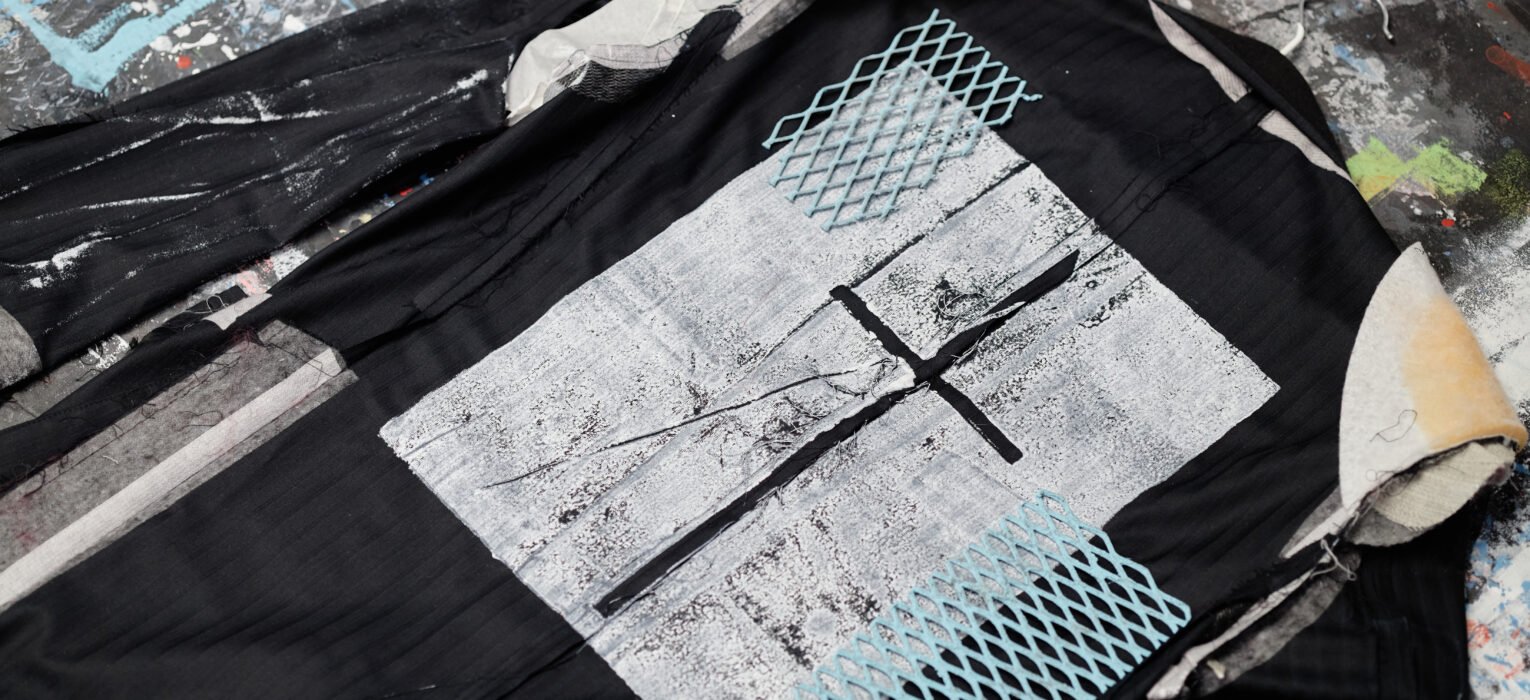
Printed shirts are meant to be worn, not treated like collectibles. But when prints start cracking, peeling, or fading far earlier than expected, it’s all about how you took care of the prints.
This guide is a practical, no-nonsense checklist designed to help you make printed shirts last longer, whether they’re custom t-shirts, hoodies, or branded apparel. Everything here focuses on what actually works in real life, not ideal scenarios. If you follow these steps consistently, you’ll dramatically extend the life of your printed garments.
Why Printed Shirts Wear Out Faster Than Expected
Before jumping into the checklist, it helps to understand why prints fail.
Most damage happens due to:
- Excessive heat (washing or drying)
- Aggressive wash cycles
- Poor storage habits
- Stretching and friction during wear
- Inconsistent care over time
Even well-produced prints can break down early if they’re exposed to heat and friction repeatedly. That’s why long-term durability is a mix of printing quality and everyday care habits.
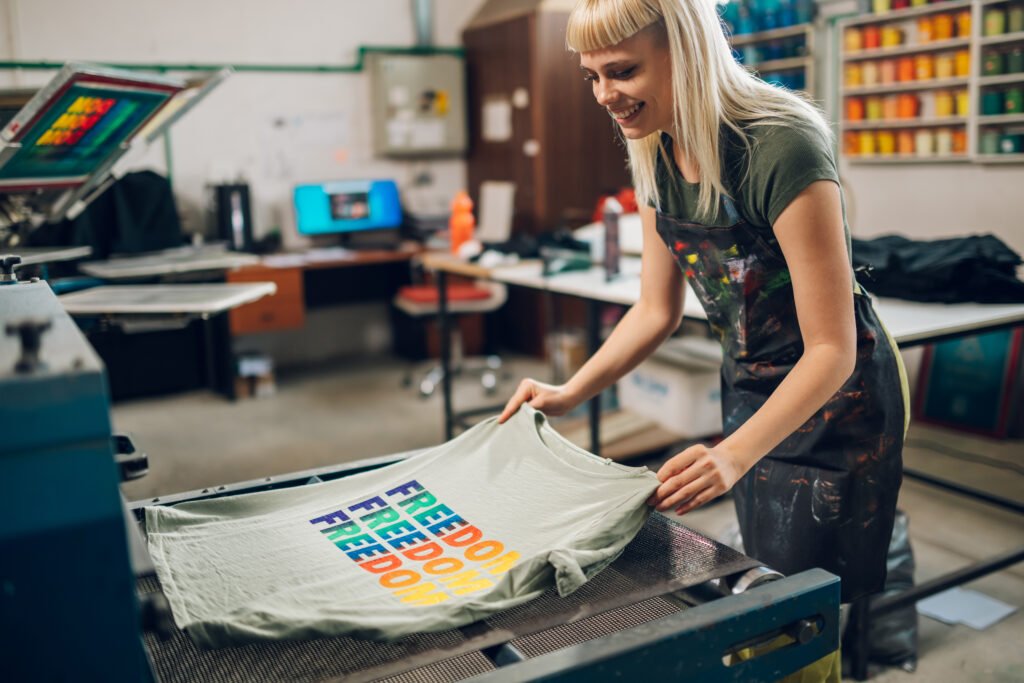
The Checklist: How to Make Printed Shirts Last Longer
1. Always Wash Printed Shirts Inside Out
Turning shirts inside out reduces direct friction between the print and other garments in the wash. This simple habit alone can significantly slow down cracking and peeling.
This applies to:
- T-shirts
- Hoodies
- Sweatshirts
- Long sleeves
- Trousers
Inside-out washing protects the print from abrasion and helps preserve surface integrity.
2. Use Cold Water Every Time
Hot water is one of the fastest ways to weaken printed designs. It softens inks and adhesives, making them more likely to crack or lift.
Best practice:
- Cold water only
- Gentle or delicate cycle
Cold washing also helps maintain fabric shape and color, which indirectly protects the print.
3. Choose a Gentle Wash Cycle
High-speed agitation stretches fabric and stresses printed areas. Over time, this leads to cracking, especially on larger designs.
If your washing machine has a gentle or delicate setting, use it consistently for printed apparel.
4. Avoid Harsh Detergents and Additives
Strong detergents, bleach, and fabric softeners break down prints faster than most people realize.
To preserve prints:
- Use mild detergent
- Avoid bleach entirely
- Skip fabric softeners
These chemicals weaken ink adhesion and speed up wear.
5. Air Dry Whenever Possible
Heat is the biggest enemy of printed shirts.
Air drying:
- Prevents cracking
- Prevents peeling
- Preserves texture and finish
If you must use a dryer, use the lowest heat setting and remove the garment while it’s still slightly damp.
This is especially important for shirts with raised or textured designs, where heat can flatten or distort the print.
6. Never Iron Directly on the Print
Direct heat from an iron can melt, flatten, or crack prints instantly. If ironing is necessary:
- Turn the garment inside out, or
- Place a cloth between the iron and the print
- Use low heat only
Never press directly on a printed area.
7. Don’t Overwash Printed Shirts
More washing equals more wear. To make printed shirts last longer:
- Wash only when necessary
- Avoid washing after every short wear
- Spot clean small stains when possible
Reducing wash frequency extends both fabric and print life.
8. Store Printed Shirts Properly
Storage matters more than people think. Best storage habits:
- Fold printed shirts instead of hanging
- Avoid stretching the printed area
- Don’t stack heavy items on top of prints
Stretching and pressure over time can cause micro-cracks that grow with washing.
9. Be Mindful While Wearing
Daily wear habits also affect durability. Try to avoid:
- Excessive stretching at the print location
- Rough surfaces rubbing against prints
- Tight fits that stress large designs
Printed shirts last longer when they’re not constantly under tension.
How Printing Quality Affects Longevity
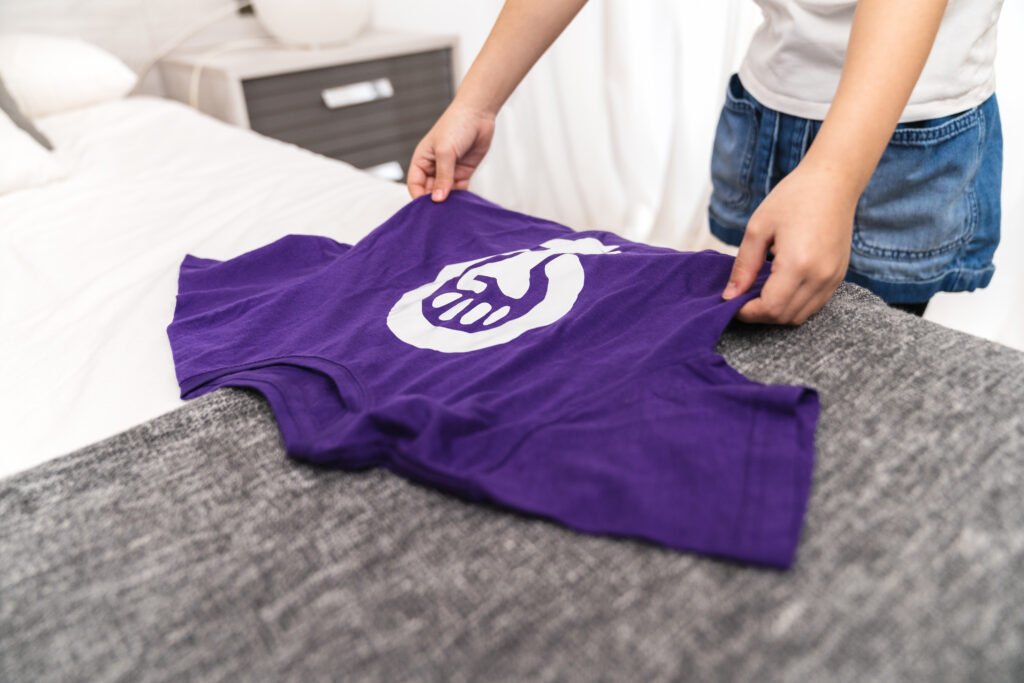
Care habits matter, but they aren’t the whole story. The way a shirt is produced ink quality, curing, fabric compatibility, it all directly impacts how well a print holds up over time. Understanding the custom apparel printing process helps explain why some shirts last for years while others fail quickly. This is why durability starts long before the first wash.
Care habits matter, but long-term durability often starts before the first wash. The type of fabric used for printing affects how well ink bonds, stretches, and resists cracking over time. Choosing from the best fabrics for screen printing on apparel creates a stronger foundation for longevity, making it easier to preserve prints with proper washing, drying, and storage practices
Special Considerations for Textured and Raised Prints
Not all prints behave the same way.
Textured, bold, or raised designs require extra care because they sit above the fabric surface. These finishes are more sensitive to heat and friction, which is why washing and drying habits matter even more.
For garments with raised designs, it’s worth taking a closer look at how to wash puff prints, as improper washing can quickly damage the texture.
If your apparel includes specialty finishes, it’s important to follow care guidance specific to raised and textured prints, as improper handling can flatten or damage the design.
What to Do If a Print Starts Cracking or Peeling
If you notice early signs of wear:
- Switch to air drying immediately
- Wash inside out only
- Avoid stretching the garment
- Stop using high heat altogether
Minor cracking can often be slowed down, but once peeling starts, prevention becomes more important than repair. Understanding how to prevent print cracking and peeling early can save the rest of the design.
Quick Printed Shirt Care Checklist
| Care Step | Do This | Avoid This |
| Washing Direction | Turn shirts inside out | Washing prints facing outward |
| Water Temperature | Use cold water only | Hot or warm water |
| Wash Cycle | Gentle or delicate cycle | Heavy or high-agitation cycles |
| Detergent Type | Mild detergent | Bleach, fabric softeners |
| Drying Method | Air dry when possible | High-heat dryer settings |
| Ironing | Iron inside out or use cloth barrier | Ironing directly on the print |
| Wash Frequency | Wash only when necessary | Overwashing after every wear |
| Storage | Fold garments neatly | Hanging or stretching prints |
| Wear Habits | Avoid excessive stretching | Tight fits stressing the print |
| Stain Removal | Spot clean gently | Scrubbing printed areas |
Frequently Asked Questions
Q1. How can I make printed shirts last longer after washing?
Wash inside out, use cold water, choose gentle cycles, and air dry whenever possible. These steps reduce heat and friction, which are the main causes of print damage.
Q2. Does air drying really make a difference for printed shirts?
Yes. Air drying significantly reduces cracking and peeling by eliminating heat exposure, which is the biggest factor in print wear.
Q2. Can printed shirts go in the dryer at all?
They can, but only on the lowest heat setting. High heat shortens print lifespan and should be avoided whenever possible.
Q3. Why do some printed shirts last longer than others?
Longevity depends on printing quality, fabric choice, curing, and care habits. Even the best prints won’t last if exposed to repeated heat and aggressive washing.
Q4. How often should I wash printed t-shirts?
Only when necessary. Overwashing increases wear. Spot cleaning and airing out between wears helps extend print life.
Final Thoughts
Making printed shirts last longer is about consistency. Cold water, low heat, gentle handling, and proper storage go a long way in preserving prints.
When care habits match printing quality, custom apparel can stay sharp, comfortable, and wearable for years instead of months.
Built to Last Starts With the Right Process
At MLXL Pro, durability is considered at every stage—from printing and curing to fabric selection and finishing. Whether you’re ordering in bulk or working on a tight timeline, long-term wear performance is always part of the process.
If you’re planning your next custom apparel project, understanding how garments age is just as important as how they look on day one.