

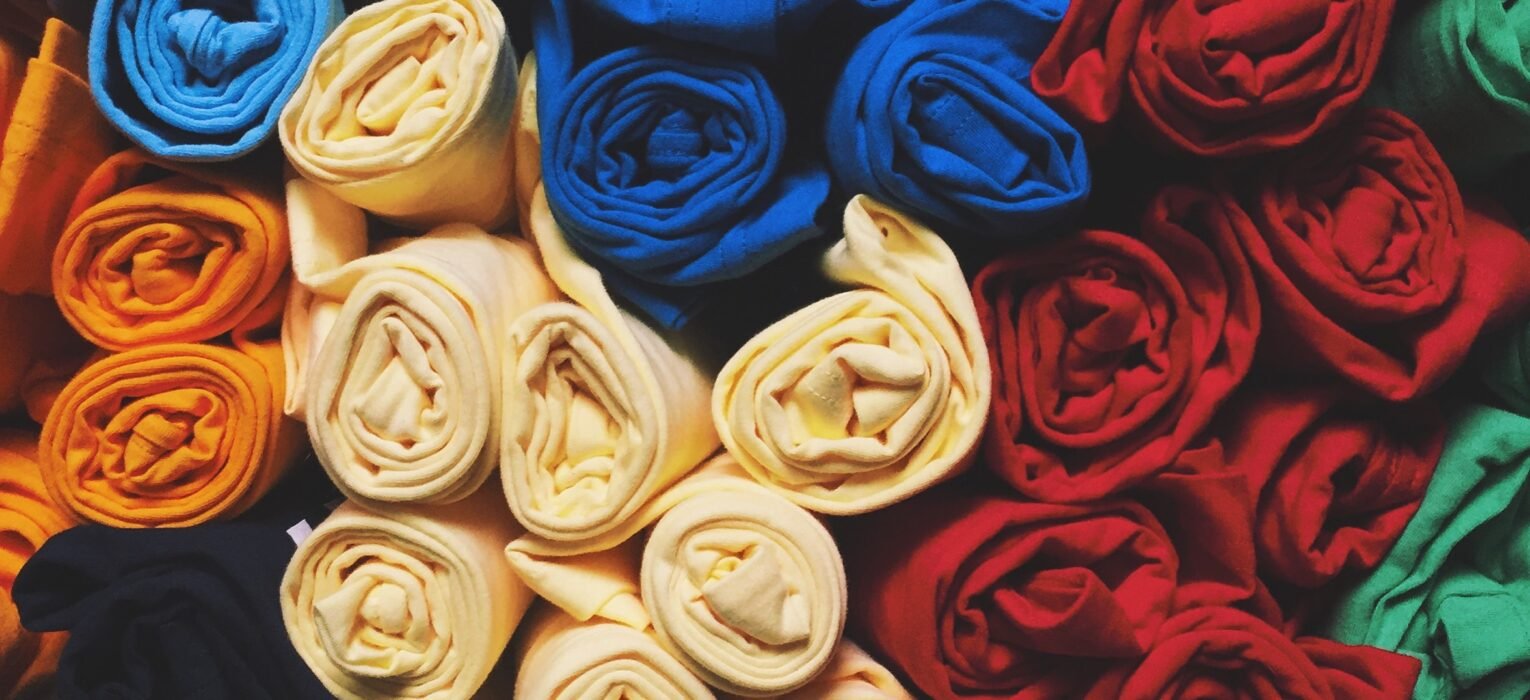
When it comes to screen printing, the fabric you choose matters just as much as the design itself. The right material can make prints look sharper, feel better, and last far longer, while the wrong choice can lead to cracking, fading, or uncomfortable wear.
Whether you’re printing custom t-shirts, hoodies, or branded apparel, understanding how different fabrics interact with screen printing ink helps you make better decisions from the start. This guide walks through the seven best fabrics for screen printing, explains why they work, and shows how to match fabric choice with comfort, durability, and real-world use.
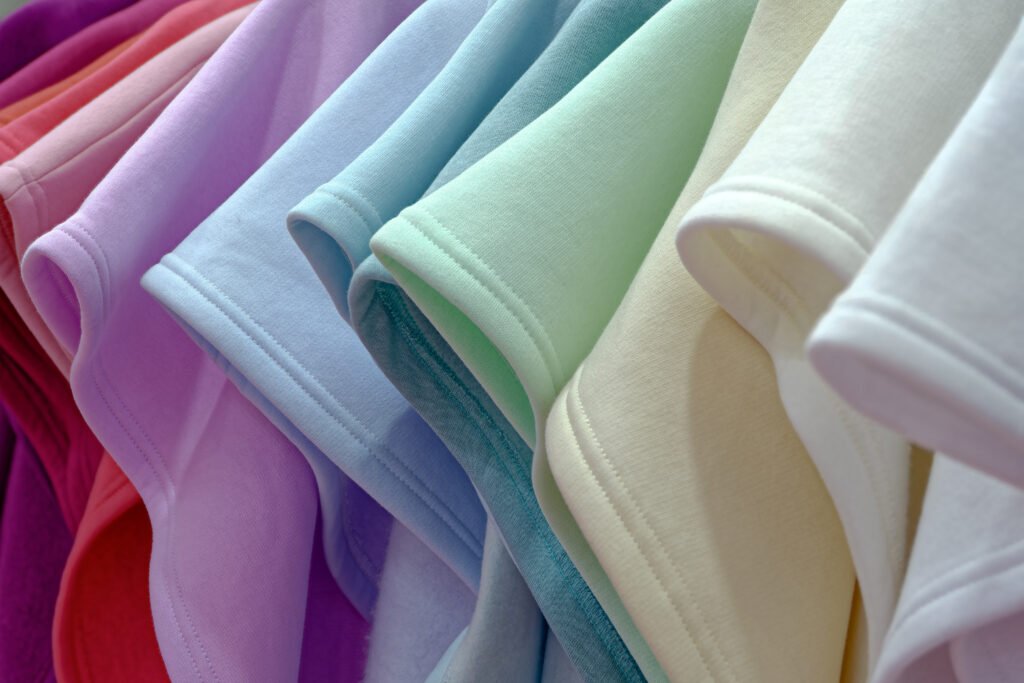
Why Fabric Choice Is Critical for Screen Printing
Screen printing relies on ink bonding directly to fabric fibers. Natural fibers absorb ink differently than synthetic ones, and fabric weight, weave, and texture all influence how vibrant and durable a print becomes. A fabric that works well for everyday wear might not perform the same way for athletic use or premium fashion pieces.
Choosing the right fabric improves ink adhesion, reduces cracking over time, and ensures the finished garment feels as good as it looks. This is why professional printers consider fabric selection part of the printing process to get most durable t shirt material.
1. 100% Cotton: The Industry Standard
Cotton remains the most reliable fabric for screen printing. Its natural fibers absorb ink evenly, resulting in rich colors and clean edges that hold up well after repeated washing. Cotton is breathable, comfortable, and easy to work with during printing and curing.
Within this category, combed and ring-spun cotton stands out. These varieties use finer, smoother fibers, which create a more consistent surface for ink and lead to sharper prints. For everyday t-shirts, event apparel, and casual wear, cotton continues to be the safest and most versatile option.
2. Cotton-Polyester Blends: Balance and Durability
Cotton-poly blends are popular because they combine cotton’s printability with polyester’s strength. These fabrics resist shrinking and wrinkling better than pure cotton while still providing a smooth enough surface for screen printing.
Blends like 50/50 or 60/40 cotton-poly are commonly used for bulk orders, uniforms, and everyday apparel where durability matters. Prints on blends may appear slightly less vibrant than on pure cotton, but the trade-off is better shape retention and longer garment life.
3. Polyester: Performance-Focused Printing
Polyester is widely used in athletic and performance apparel due to its moisture-wicking properties and durability. While it doesn’t absorb ink the same way cotton does, it can still work well for screen printing when handled correctly.
Because polyester is less absorbent, specialized inks or custom printing techniques are often required to ensure proper bonding. When done right, polyester garments hold their shape exceptionally well and are ideal for activewear, team uniforms, and outdoor use.
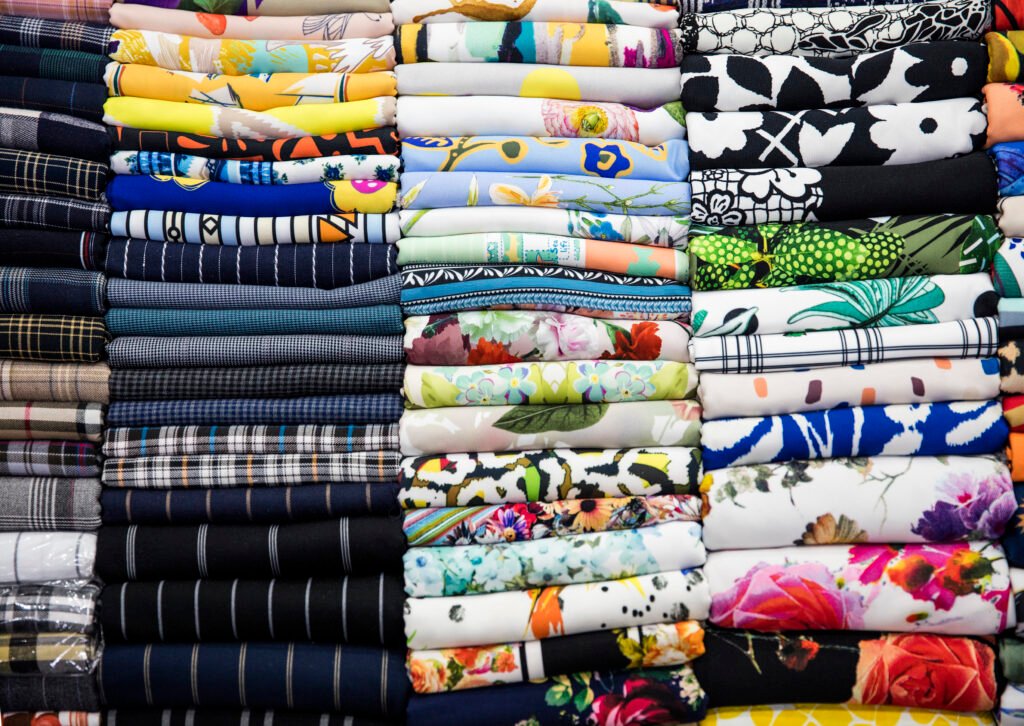
4. Tri-Blends: Softness and Style
Tri-blend fabrics typically combine cotton, polyester, and rayon. These materials are known for their exceptionally soft feel and lightweight drape, which makes them popular for fashion-forward and lifestyle apparel.
Screen printing on tri-blends requires more attention because the mixed fibers can cause ink to behave differently across the surface. Prints often have a softer, slightly vintage appearance, which many brands intentionally choose for aesthetic reasons rather than ultra-bold graphics.
5. Rayon, Viscose, and Modal: Premium Comfort Fabrics
Rayon-based fabrics, including viscose and modal, are prized for their smooth texture and breathable feel. They’re commonly used in premium t-shirts and fashion garments where comfort is a priority.
While these fabrics can be screen printed, their absorbency and softness may reduce sharpness compared to cotton. Simpler designs and proper testing help achieve the best results when working with these materials.
6. Sustainable and Eco-Friendly Fabrics
Organic cotton, recycled polyester, and bamboo blends are increasingly popular as sustainability becomes a bigger priority for brands and consumers. From a printing perspective, these fabrics often behave similarly to their conventional counterparts, though finishes and treatments can affect ink adhesion.
Testing is especially important with eco-friendly materials to ensure print consistency and durability, but they offer a strong value proposition for environmentally conscious apparel lines.
7. Heavyweight Fabrics for Hoodies and Sweatshirts
For hoodies, sweatshirts, and heavier garments, thicker fabrics like cotton fleece or dense knit blends provide a solid base for screen printing. These materials support bold designs and larger prints while maintaining comfort and structure.
Heavier fabrics tend to hold prints well over time, especially when paired with proper curing and aftercare. They’re ideal for colder climates and premium outerwear-style apparel.
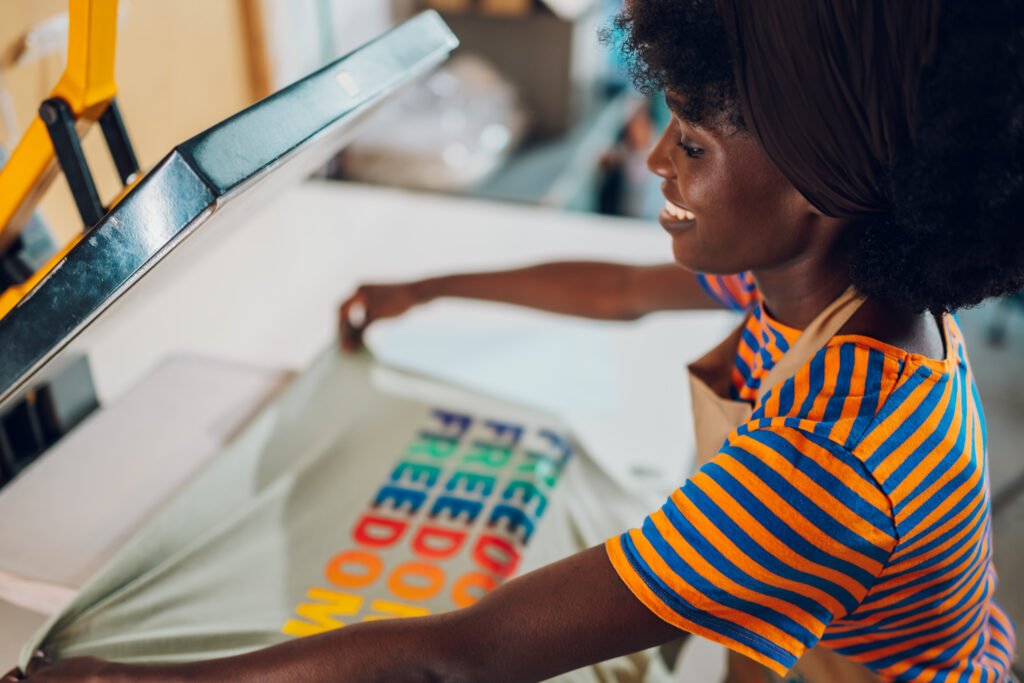
How Fabric Choice Affects Comfort and Seasonal Wear
Fabric selection affects how and when the garment is worn. Lightweight cotton and blends work best for summer, offering breathability and comfort. Polyester and blends perform better in athletic or outdoor settings where moisture control is important. Tri-blends and rayon-based fabrics shine in fashion applications where softness and drape matter most.
Matching fabric to climate and use ensures the apparel stays comfortable while maintaining print integrity.
Fabric Comparison Table: Best Fabrics for Screen Printing
| Fabric | Printability | Durability | Comfort | Best Use |
| 100% Cotton | ⭐⭐⭐⭐⭐ | ⭐⭐⭐⭐ | ⭐⭐⭐⭐⭐ | Daily wear, events |
| Cotton-Poly Blend | ⭐⭐⭐⭐ | ⭐⭐⭐⭐⭐ | ⭐⭐⭐⭐ | Everyday wear & bulk |
| Polyester | ⭐⭐⭐ | ⭐⭐⭐⭐⭐ | ⭐⭐⭐ | Activewear |
| Tri-Blend | ⭐⭐⭐ | ⭐⭐⭐⭐ | ⭐⭐⭐⭐⭐ | Fashion/lifestyle |
| Rayon/Modal | ⭐⭐ | ⭐⭐⭐ | ⭐⭐⭐⭐ | Soft garments |
| Organic/Sustainable | ⭐⭐⭐⭐* | ⭐⭐⭐⭐* | ⭐⭐⭐⭐* | Eco-friendly brands |
| Heavyweight Knits | ⭐⭐⭐⭐⭐ | ⭐⭐⭐⭐⭐ | ⭐⭐⭐⭐ | Hoodies & sweatshirts |
*Performance varies by supplier and treatment.
Tips for Testing Fabric Before Screen Printing
Not all fabric behaves the same way. A few tips before committing to a big print run:
- Run a test print sample on the actual fabric you intend to use.
- Check how the ink bonds and cures, observe wash-after results.
- Consider fabric weight and weave, tighter weaves often print sharper.
- If using specialty or blended fabrics, adjust your inks and curing temps.
Frequently Asked Questions
Q1. What is the best fabric for long-lasting printed apparel?
The best fabrics for long-lasting printed apparel are 100% cotton and cotton-polyester blends. Cotton absorbs ink well, which helps prints stay vibrant and resist cracking over time. Blends add durability and shape retention, making them a popular choice for everyday wear and bulk orders.
Q2. What is the most durable t-shirt material for screen printing?
High-quality cotton and cotton-rich blends are generally the most durable materials for screen printing. They provide a stable surface for ink to bond properly, resulting in prints that hold up well after repeated washing when cared for correctly.
Q3. How should I take care of printed shirts to make them last longer?
To make printed shirts last longer, wash them inside out using cold water and a gentle cycle. Air drying is best, but if using a dryer, choose low heat. Avoid ironing directly on prints, harsh detergents, and overwashing. Proper care plays a major role in preventing cracking and peeling.
Q4. Does fabric type affect how long a print lasts?
Yes. Fabric type significantly affects print longevity. Natural fibers like cotton tend to hold ink better, while synthetic fabrics such as polyester may require specialized inks or curing methods. Even the best print can wear out early if the fabric and printing method aren’t well matched.
Q5. What is the most durable t shirt material: screen printing or DTF printing?
Screen printing is generally better for large orders, bold designs, and long-term durability, especially on cotton and cotton-blend fabrics. DTF printing offers more flexibility for small runs and detailed designs.
Q6. Which fabric works best with DTF printing?
DTF printing is more versatile across fabric types and works well on cotton, polyester, and blends. However, fabric quality still matters, as smoother and more stable fabrics tend to produce better-looking and longer-lasting results.
Q7. Is cotton better than polyester for printed t-shirts?
For traditional screen printing, cotton is usually better because it absorbs ink well and produces vibrant, durable prints. Polyester performs better for athletic or performance wear but may require special inks and care to achieve similar print longevity.
Q8. How long should a screen-printed shirt last?
With proper fabric selection, professional printing, and good care habits, a screen-printed shirt can easily last 50 to 100 washes or more without significant cracking or fading.
Q9. Do heavier fabrics hold prints better than lightweight fabrics?
Heavier fabrics, such as those used for hoodies and sweatshirts, often provide a more stable surface for ink and can support bold designs well. Lightweight fabrics work fine for screen printing but may require extra care to maintain print quality over time.
Final Thoughts
The best fabric for screen printing depends on how the apparel will be worn, how long it needs to last, and the overall look you want to achieve. Cotton remains the gold standard, blends offer balance, and specialty fabrics open creative possibilities when used thoughtfully.
When fabric choice aligns with printing method and end use, the result is apparel that looks great, feels comfortable, and holds up over time.
Built to Last Starts With the Right Process
At MLXL Pro, durability is considered at every stage. From selecting right fabric printing to curing and finishing. Whether you’re ordering in bulk or working on a tight timeline, long-term wear performance is always part of the process.
If you’re planning your next custom apparel project, understanding how garments age is just as important as how they look on day one.