Custom apparel printing isn’t one-size-fits-all. The printing method you choose affects how a design looks, feels, lasts, and how much it costs. That’s why understanding the different types of apparel printing is essential before ordering custom t-shirts, hoodies, or branded merchandise.
This guide breaks down the most common apparel printing methods, explains how each one works, and most importantly shows when to use each technique based on fabric, order size, design complexity, and budget.
Why Choosing the Right Apparel Printing Method Matters
Two shirts can look similar on day one and perform very differently over time. That difference usually comes down to the printing method.
The right method helps:
- Improve print durability and wash life
- Control production costs
- Match fabric type correctly
- Achieve the right look and feel
- Avoid issues like cracking, fading, or peeling
Understanding your options upfront saves time, money, and rework later.
Screen Printing (Best for Bold Designs and Bulk Orders)
Screen printing is one of the most widely used apparel printing methods. It works by pushing ink through a mesh screen directly onto the garment, with each color applied using a separate screen.
This method is known for producing vibrant, long-lasting prints, especially on cotton and cotton-blend fabrics. Because setup takes time, screen printing becomes more cost-effective as order quantities increase.
Best used when:
You’re ordering in bulk, using bold designs with fewer colors, or need durable prints for everyday wear, uniforms, or merchandise.
Considerations:
Not ideal for small orders or highly detailed, multi-color artwork due to setup costs.
Direct-to-Garment (DTG) Printing
DTG printing uses inkjet technology to print designs directly onto fabric, much like printing on paper. It allows for high detail, smooth color gradients, and complex artwork.
DTG works best on 100% cotton or high-cotton blends and is popular for small runs or custom one-off designs.
Best used when:
You need detailed artwork, photo-quality designs, or small quantities without setup costs.
Considerations:
DTG prints are generally less durable than screen printing and may fade faster if not properly cared for.
Direct-to-Film (DTF) Printing
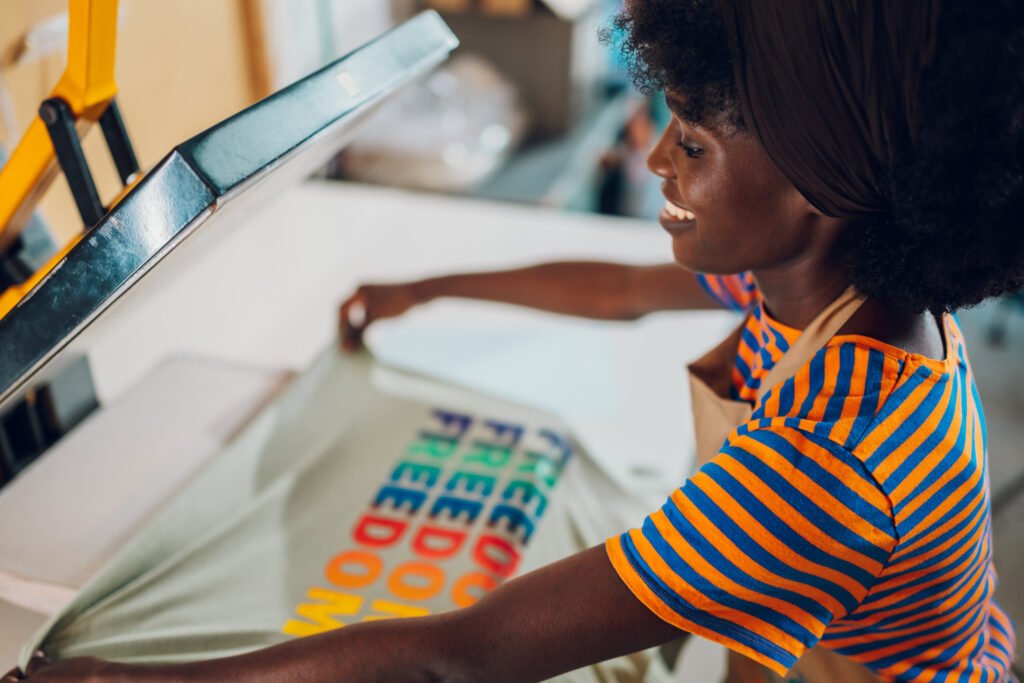
DTF printing involves printing a design onto a special film, applying adhesive powder, and then heat-pressing the design onto the garment.
This method has grown quickly because it works across a wide range of fabrics, including cotton, polyester, and blends. It handles color complexity well and performs consistently on smaller and medium-sized orders.
Best used when:
You need versatility across fabrics, detailed designs, or flexibility for short runs.
Considerations:
The print sits on top of the fabric, which can feel slightly heavier compared to screen printing or DTG.
Embroidery (Premium, Textured, and Long-Lasting)
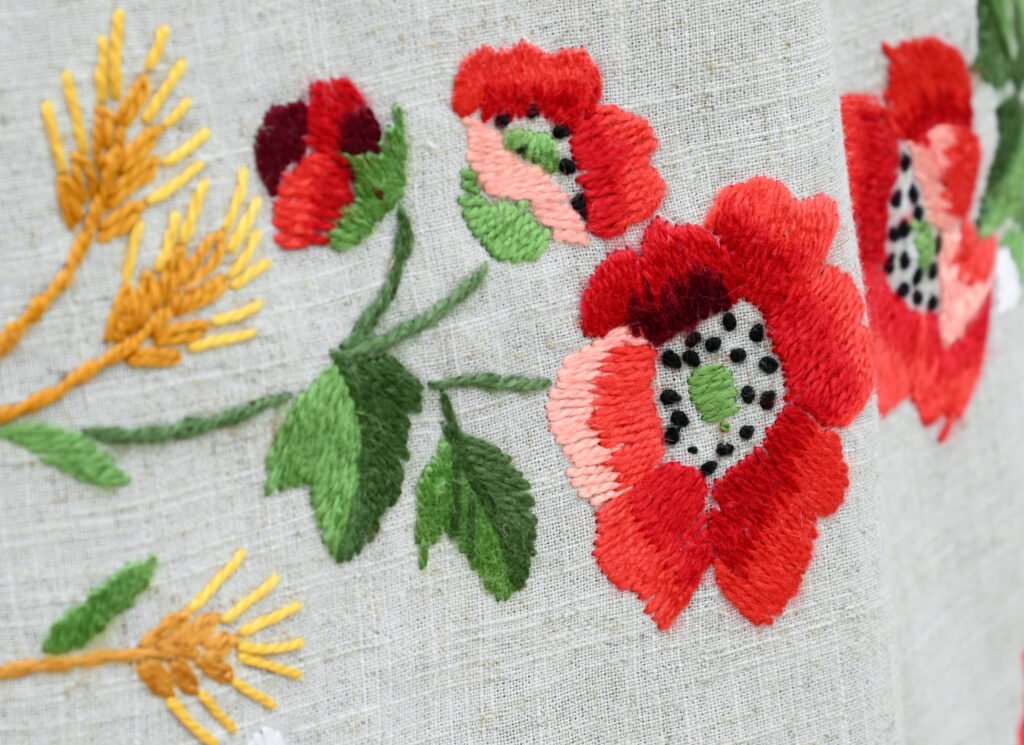
Embroidery uses stitched thread rather than ink, creating a raised, textured design. It’s commonly used for logos on polos, hats, jackets, and premium apparel.
Because it doesn’t rely on ink, embroidery is extremely durable and holds up well to frequent washing.
Best used when:
You want a professional, premium look for logos or branding on thicker garments.
Considerations:
Not suitable for detailed artwork or large designs and typically more expensive for complex logos.
Heat Transfer Printing
Heat transfer printing uses heat and pressure to transfer a design from vinyl or transfer paper onto fabric.
This method is often used for names, numbers, or small custom runs. It offers flexibility but varies widely in quality depending on materials and technique.
Best used when:
You need personalization, quick turnaround, or very small quantities.
Considerations:
Lower durability compared to screen printing or embroidery, especially with frequent washing.
Sublimation Printing (For Polyester Apparel)
Sublimation printing turns ink into gas, bonding it permanently into polyester fabric fibers. The result is a print that won’t crack, peel, or fade.
However, sublimation only works on light-colored polyester garments.
Best used when:
You’re printing performance apparel, sportswear, or all-over designs on polyester.
Considerations:
Not compatible with cotton or dark fabrics.
Specialty Printing Techniques
Specialty printing adds visual or tactile effects beyond standard ink.
Common options include puff print, metallic inks, foil printing, glow-in-the-dark, and discharge printing. These techniques are often combined with screen printing to create standout designs.
Best used when:
You want unique textures or finishes that elevate the design.
Considerations:
May require additional care and are typically more expensive than standard prints.
Quick Comparison Table: Apparel Printing Methods
| Printing Method | Best For | Durability | Order Size |
| Screen Printing | Bold designs, bulk orders | Very high | Medium–large |
| DTG | Detailed artwork | Moderate | Small |
| DTF | Fabric versatility | High | Small–medium |
| Embroidery | Logos, premium branding | Very high | Small–medium |
| Heat Transfer | Personalization | Low–moderate | Small |
| Sublimation | Polyester apparel | Very high | Any |
| Specialty Prints | Visual effects | Varies | Medium |
How to Choose the Right Apparel Printing Method
The best printing method depends on a few key factors:
- Design complexity: Detailed designs favor DTG or DTF, while bold logos suit screen printing.
- Fabric type: Cotton works best with screen printing and DTG, while polyester may require DTF or sublimation.
- Order size: Bulk orders favor screen printing, while small runs work well with DTG or DTF.
- Desired finish: Flat, textured, glossy, or raised effects point to different methods.
If you’re unsure, understanding how custom apparel printing works from design to finished garment can help clarify which method fits your project.
Which Types of Apparel Printing Is Best for You?
Every printing style has its strengths, and the right one depends on your artwork, quantity, garment type and budget. No matter what you choose, high-quality printing can elevate your brand instantly.
With more than 20 years of experience, MLXL uses a combination of craftsmanship and cutting-edge technology to deliver beautiful, durable and consistent results on every project. Our team is here to help you choose the best printing method and bring your vision to life.
Ready to Create Custom Apparel You’ll Be Proud Of?
Share your idea with our team and we’ll help you turn it into a design you can wear. Request a custom quote, upload your artwork or talk to one of our print specialists today.
Your brand’s next great piece of apparel starts here.