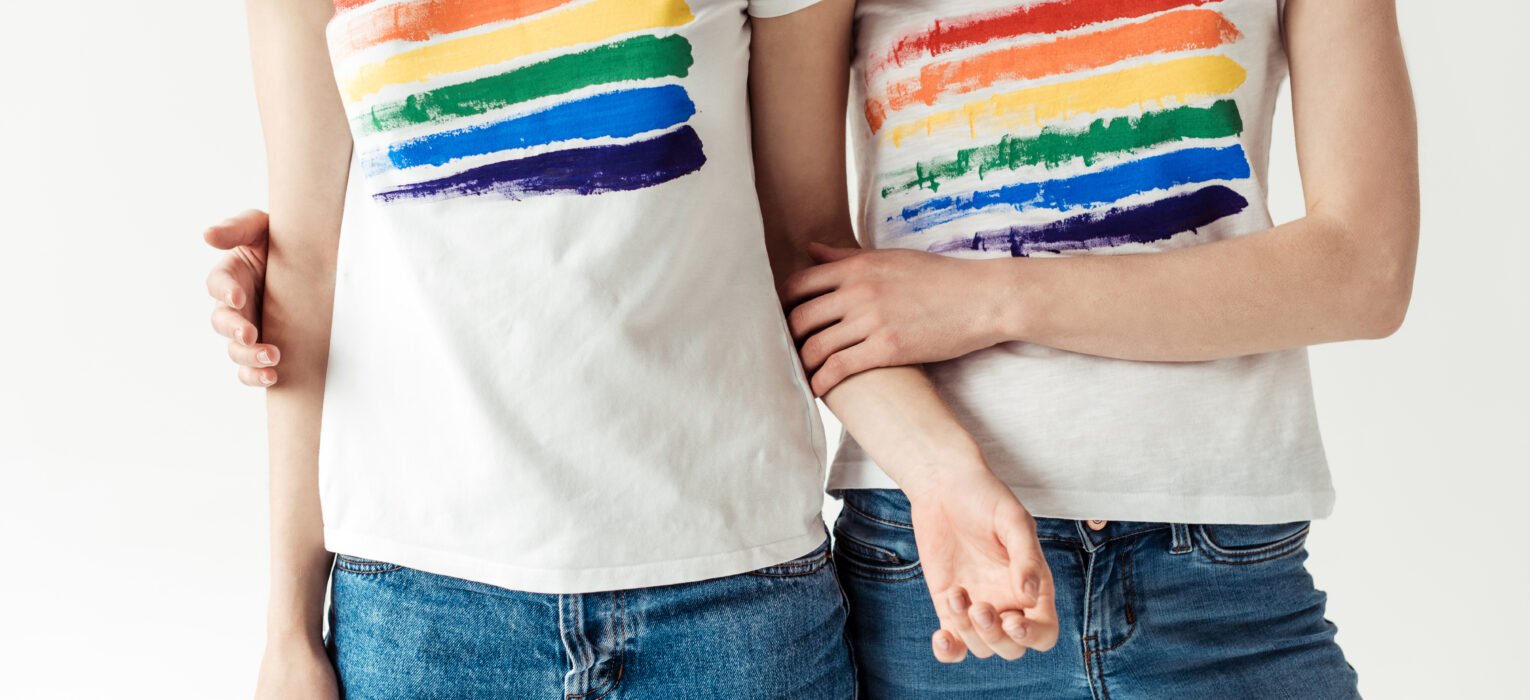
You spent good money on that printed tee. It looked perfect the first time. Bold, fresh, like your brand was shouting from cotton rooftops. But then came the cracks. The peel. The heartbreak.
As common as print damage is, it’s also preventable. Whether you’re managing merch for your business, team uniforms, or one-off streetwear drops, how you care for custom apparel makes all the difference in how long it lasts.
This guide will walk you through every practical step to extend the life of your printed garments, from washing and drying to storage and handling, with no extra information, no filler, and no brand pitch. Just proven care methods from inside the print game.
Why Prints Crack, Peel, or Fade Over Time
Before you learn how to protect your printed pieces, let’s unpack why they wear out in the first place. Most damage is avoidable once you understand these culprits:
- Heat Exposure
High temperatures during washing or drying can break down the ink or adhesive layer, leading to fading or peeling.
- Harsh Washing Habits
Hot water, aggressive cycles, and detergent overload erode print surfaces faster than you think.
- Fabric Quality Mismatch
Low-grade fabrics don’t bond well with certain inks or finishes. Stretchy or overly soft blends can cause cracking as the material flexes.
- Poor Print Curing
In screen printing or DTF, if the ink isn’t properly heat-cured during production, it never fully adheres-and starts breaking down early.
- Friction & Stretching
Constant rubbing (e.g., under a backpack strap) or overstretching the fabric puts mechanical strain on the print.
Tip: Most of this can be avoided by combining proper garment handling with high-quality printing – more on that later.
Explore Our Blog How to Keep Print on Shirts from Cracking or Peeling in Detail
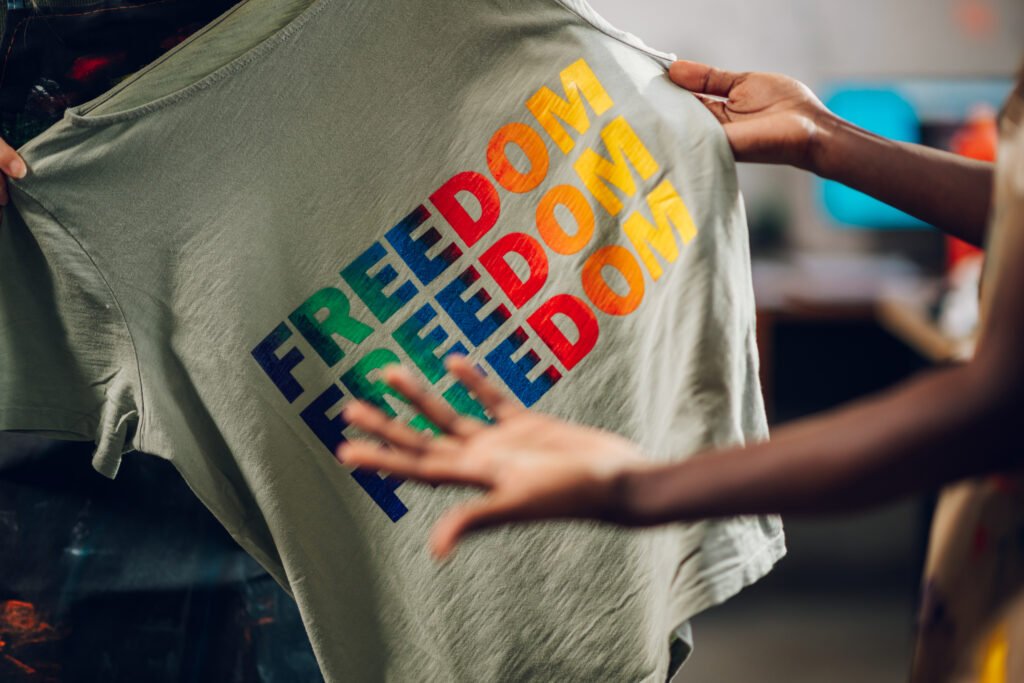
How to Wash Custom Printed Shirts the Right Way
The single biggest factor in your print’s survival? How you wash it.
- Turn shirts inside out : Reduces direct friction on the printed surface during agitation.
- Use cold water only (30°C max): Heat is the enemy of ink. Cold water cleans without softening or warping the print layer.
- Choose gentle or delicate cycles: Lower spin speeds mean less impact and abrasion.
- Use mild, bleach-free detergents: Harsh chemicals can break down ink pigments and adhesives.
- Wash with similar items only: Avoid tossing printed shirts in with rough zippers, denim, or towels.
- Avoid fabric softeners: They coat the fabric, reducing breathability and ink adhesion over time.
Even better: Hand wash your highest-quality pieces, especially those with specialty finishes.
How to Dry Printed Apparel Without Damaging the Print
This is where most prints meet their doom.
- Air-dry flat when possible: The safest method. No heat, no friction. Just hang on a rack or lay on a clean towel.
- If using a dryer, set to low or “air fluff”: High heat is a fast-track to print cracking or peeling. If you must tumble, keep it low and short.
- Avoid wringing or twisting the garment: Twisting creates uneven pressure that can lift the ink or cause micro-tears.
Pro tip: Never dry printed apparel in direct sunlight. UV can fade ink faster than heat.
How to Prevent Cracking in Custom T-Shirts
Cracking usually happens when the ink layer is stretched too much or isn’t bonded properly. To reduce the risk:
- Choose the right fabric
High-quality cotton or poly-blends with minimal stretch hold prints better. Avoid very thin, loose-weave materials.
- Limit over-washing
Wash only when necessary. Every wash is wear-and-tear.
- Fold, don’t hang
Hanging printed tees can cause the fabric to stretch vertically over time.
- Don’t iron directly on the print
Heat + pressure = a shortcut to cracking. (More on ironing below.)
- Avoid friction-heavy use
Don’t wear your favorite print under a tight backpack every day – it’ll scuff and degrade faster.
And yes, even “crack-resistant” inks have limits if the care is careless.
How to Keep Print on Shirts From Peeling
Peeling often comes from adhesive failure or excessive heat. Prevent it like this:
- Never iron directly on a print
Use a pressing cloth or turn the shirt inside out if ironing is absolutely necessary.
- Skip high-heat dryers
We’ve said it already, but it bears repeating; heat warps the ink layer.
- Avoid stretching the printed area
Pulling the shirt too much can separate the ink from the fabric.
- Watch for early signs
If you notice the edges of a design lifting, stop drying in machines immediately and switch to flat air-dry to preserve it longer.
Caring for Specialty Prints (Raised, Textured, Bold Finishes)
Special finishes like puff, foil, metallic, and glow-in-the-dark inks need extra care.
- These inks are more sensitive to heat and abrasion
- Washing and drying should always be inside-out, cold, and air-dried
For detailed care tips, check our full guide on raised and textured prints and puff print care.
How Printing Quality Affects Long-Term Durability
Even perfect care can’t save a bad print. High-durability apparel starts with:
- Proper curing temperature & dwell time
- Inks designed for your fabric type
- Clean, aligned registration to avoid lifting
- Skilled production oversight
A print from a premium setup will always last longer; even with identical care.
Want to know what makes quality printing? See our custom apparel printing process.
Best Practices to Make Printed Apparel Last Longer
| Category | Best Practice |
| Washing Method | Wash garments inside out using cold water and a gentle cycle |
| Drying | Air-dry whenever possible to avoid heat damage |
| Storage | Store printed apparel folded rather than hung |
| Between Washes | Spot clean small areas instead of full washes |
| Extra Protection | Use mesh laundry bags when machine washing |
| Avoid Heat | Do not use hot water or high-heat dryers |
| Ironing | Never iron directly on printed designs |
| Sun Exposure | Avoid drying garments under direct sunlight |
| Wash Mixing | Don’t mix with abrasive items like jeans or zippers |
| Wash Frequency | Avoid overwashing; refresh with steam or fabric sprays between wears |
FAQs About Caring for Printed Apparel
Q1. How should I wash printed hoodies?
Printed hoodies should be washed inside out using cold water and a gentle cycle. Because hoodies are heavier, air-drying them flat is the safest option to prevent heat damage, stretching, or stress on the printed area. Avoid overloading the washing machine to reduce friction.
Q2. Why is my print cracking after just a few washes?
Print cracking usually happens due to repeated heat exposure from hot water or dryers. In some cases, improper ink curing during production can also cause early cracking. Switching to cold washes, air drying, and gentle cycles can help slow further damage.
Q3. Can I iron my printed shirts?
Yes, but only with care. Always turn the shirt inside out or place a pressing cloth between the iron and the print. Use low heat and avoid steam directly on the printed area. Never iron directly over the design, as heat can crack or flatten the print.
Q4. What detergent should I use for printed apparel?
A mild, bleach-free liquid detergent is the safest choice for printed garments. Liquid detergents dissolve more evenly and are less abrasive than powdered detergents, which can weaken prints over time. Avoid fabric softeners, as they can break down ink and adhesives.
Q5. How long should a print last with good care?
With proper washing, drying, and storage habits, a quality print can easily last 50 washes or more, and in many cases up to 100 washes. Longevity depends on printing quality, fabric type, and consistent care over time.
Final Thoughts
Caring for custom printed clothes isn’t as complicated as it seems, rather it’s intentional. The same way a sharp design elevates a brand, proper washing and handling ensure that design sticks around.
Print quality matters. But so does what happens after it leaves the press. Treat your apparel like the canvas it is, and it’ll keep telling your story for years to come.
Built to Last Starts With the Right Process
At MLXL Pro, durability is considered at every stage. From printing and curing to fabric selection and finishing. Whether you’re ordering in bulk or working on a tight timeline, long-term wear performance is always part of the process.
If you’re planning your next custom apparel project, understanding how garments age is just as important as how they look on day one.